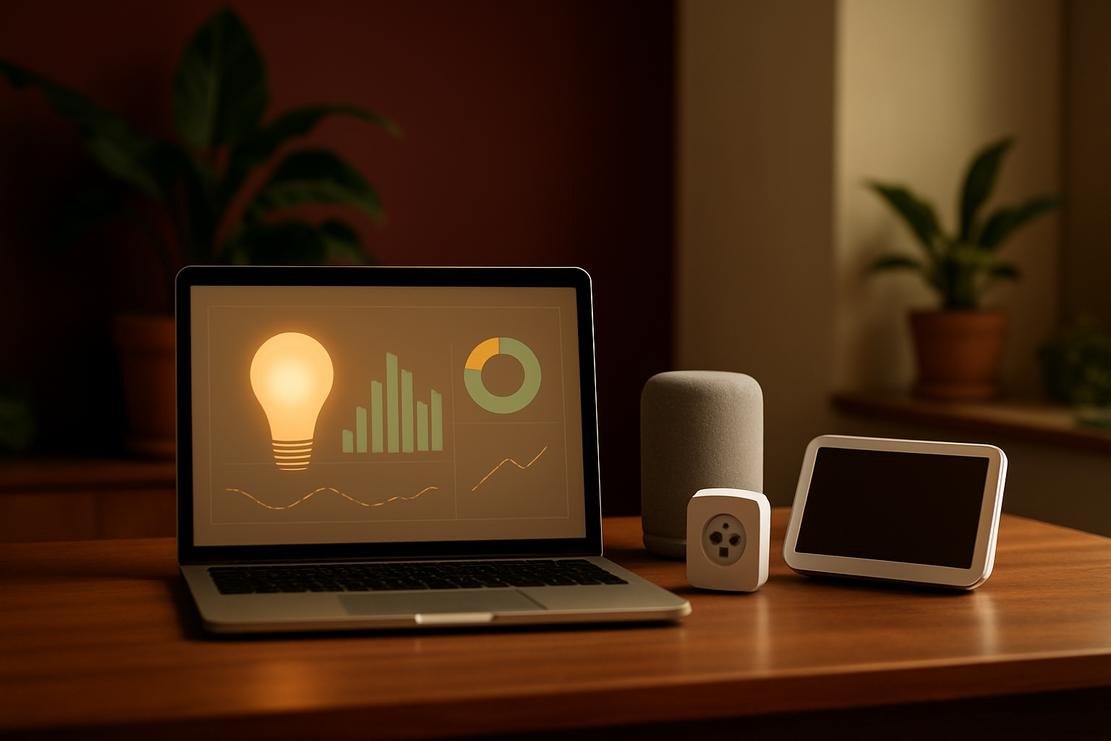
As energy costs rise and environmental pressures intensify in 2026, smart home IoT solutions are becoming essential tools for reducing expenses and our carbon footprint. These connected devices don’t just offer convenience; they transform how we manage energy day to day.
By integrating sensors, smart meters, and automated controls, IoT-enabled homes can optimize their energy use in real time. For example, a smart thermostat adjusts heating and cooling based on occupancy and weather patterns, cutting unnecessary power consumption. Similarly, smart lighting systems adjust brightness and turn off when rooms are empty, further trimming energy waste. Beyond individual savings, data from these devices helps homeowners understand usage trends and make informed decisions to boost efficiency and sustainability.
– Real-time energy monitoring enables homeowners to identify and reduce peak consumption periods. – Automated device control adjusts usage dynamically, saving both money and energy. – Integration with renewable energy sources optimizes when and how power is consumed. – Insights from aggregated data encourage sustainable behavior changes over time.
For energy professionals and businesses in 2026, the growth of IoT in smart home energy management presents new opportunities to innovate service offerings and support sustainability goals. Trends show increased adoption fueled by advances in AI analytics and enhanced interoperability between devices. Companies that develop scalable, user-friendly IoT energy solutions will gain a competitive edge while contributing to global carbon reduction efforts.
How is your organization leveraging IoT to optimize energy use and reduce environmental impact? Share your experiences or challenges in implementing smart home energy solutions below. Let’s connect and explore how to drive greater efficiency and sustainability through technology together.
#SmartHome #IoTEnergy #EnergyManagement #Sustainability #GreenTech