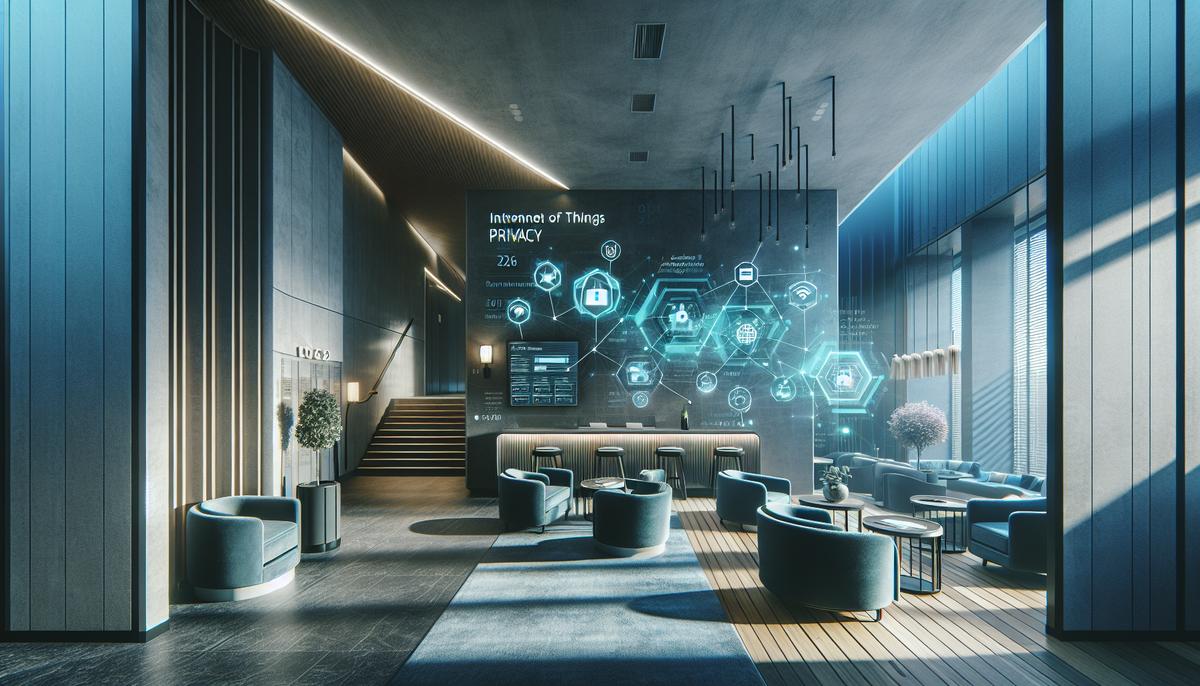
In 2026, the integration of IoT in enterprise smart buildings and industrial settings is transforming operational efficiency. With rising costs and sustainability demands, IoT-driven solutions offer timely opportunities to cut expenses and boost productivity.
Enterprises are increasingly deploying connected sensors and automated systems to monitor energy use, equipment health, and workspace conditions. For example, smart HVAC systems dynamically adjust based on occupancy and weather data, reducing energy waste. Industrial IoT platforms also collect real-time machine data to predict failures before downtime, saving maintenance costs. These digital upgrades not only streamline building management but also enhance workplace comfort and safety, resulting in measurable savings and operational resilience.
• Smart energy management cuts utility expenses via automated environmental controls. • Predictive maintenance minimizes costly equipment failures and unplanned downtime. • Enhanced indoor air quality and lighting improve employee well-being and productivity. • Data-driven insights enable continuous optimization of enterprise facility operations.
The shift toward smart building IoT reflects a broader 2026 trend in digital transformation focused on sustainability and cost efficiency. As regulations tighten on energy use and carbon emissions, enterprises adopting IoT tools will stay ahead of compliance while reducing operational risk. Integration with AI analytics further unlocks proactive decision-making, driving smarter investments and resource allocation. For companies, this means turning digital infrastructure into a strategic advantage.
How is your organization leveraging smart building or industrial IoT to achieve operational savings? Share your experiences or challenges in the comments – let’s discuss practical strategies for 2026 and beyond. Connect with me for deeper insights on unlocking value through enterprise IoT solutions.
#SmartBuilding #IndustrialIoT #OperationalSavings #EnterpriseIoT #Sustainability