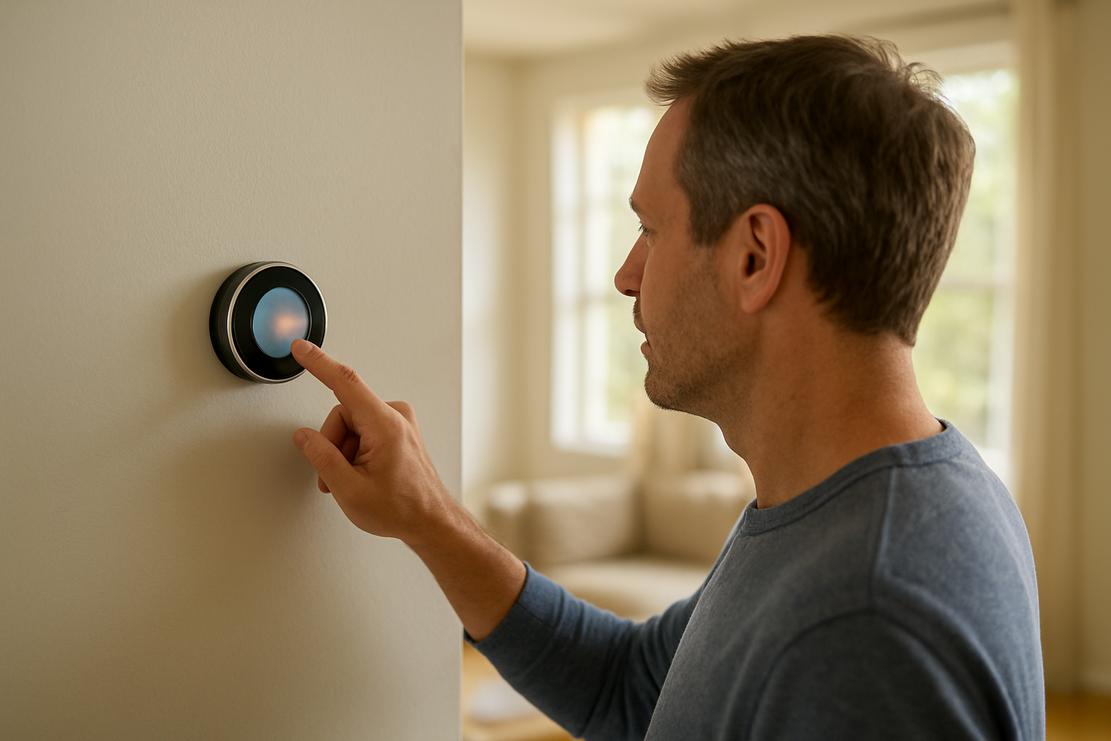
Energy management through IoT is transforming how households cut costs and reduce environmental footprints in 2026. With rising energy prices and climate goals, smart home technologies have never been more relevant.
Smart home IoT devices automate and optimise energy usage by monitoring consumption in real time and adapting it to user patterns. For example, smart thermostats learn your schedule to adjust heating and cooling efficiently, preventing waste. Lighting systems can dim or switch off automatically when rooms are empty. This not only lowers utility bills but also reduces overall carbon emissions by minimising unnecessary energy use. The integration of connected sensors and AI-driven analytics enables homeowners to make data-informed decisions, improving energy efficiency effortlessly.
– IoT devices track and adjust power use dynamically to reduce waste. – Smart thermostats and lighting systems respond to occupancy and preferences. – Data analytics provide actionable insights for improved home energy management. – Integration with renewable energy sources enhances environmental benefits. – Automated scheduling helps optimise costs in peak and off-peak hours.
As IoT energy management matures, businesses and professionals must recognise its value in supporting sustainability goals and cost control. Demand for smarter homes is increasing alongside regulatory pressures to lower emissions. Companies offering integrated IoT solutions will gain advantage by delivering measurable energy reductions. Additionally, real-time data enables innovative services like demand response programs where homes adjust consumption based on grid needs, creating new revenue models.
How are you leveraging smart home IoT to manage energy consumption and costs? Share your experiences or questions about implementing these solutions in your home or projects. Let’s connect to explore how IoT-driven energy management can accelerate sustainable growth.
#SmartHome #IoT #EnergyManagement #Sustainability #Innovation