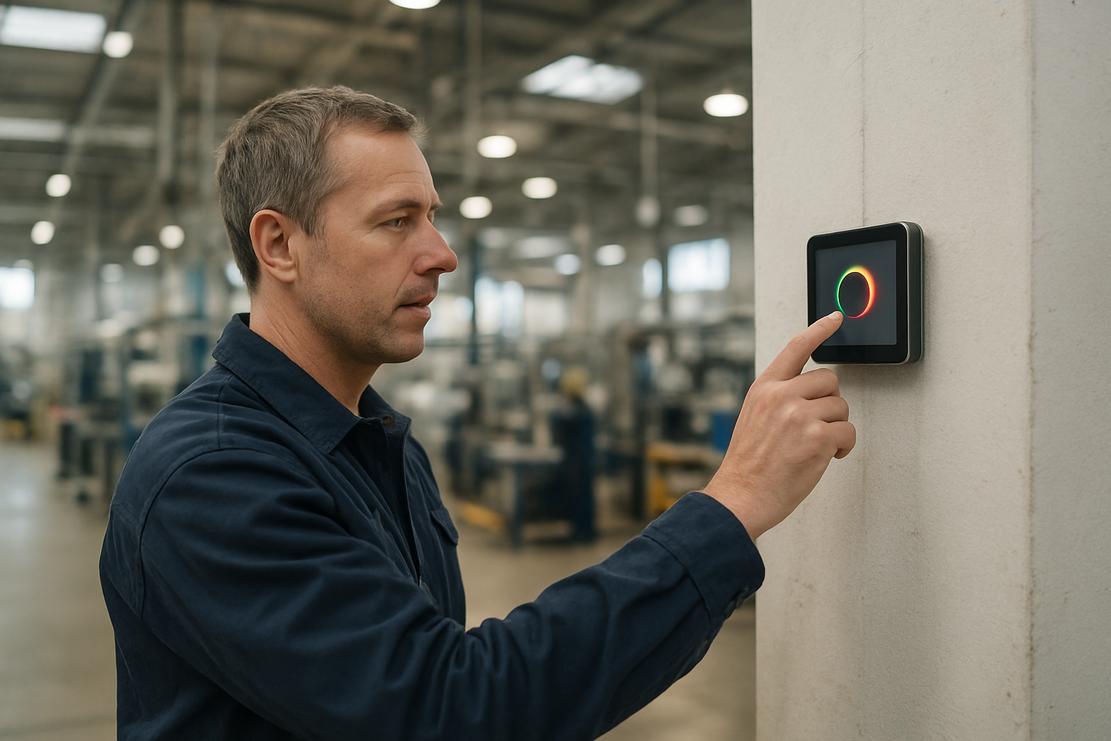
In 2026, enterprises are harnessing smart building and industrial IoT technologies to drive significant operational savings. These innovative solutions are transforming how businesses manage energy, maintenance, and workflows in real time.
Smart building IoT systems combine sensors, connectivity, and data analytics to optimise facility operations. By monitoring energy usage, HVAC performance, and lighting automatically, companies can reduce waste and lower costs. For example, an industrial plant uses IoT sensors to detect equipment inefficiencies early, enabling predictive maintenance that prevents costly downtime. These solutions also enhance occupant comfort and safety, creating healthier work environments while boosting productivity. As these technologies become more accessible, they’re pivotal for businesses aiming to stay competitive and sustainable.
– IoT-driven energy management reduces utility bills and carbon footprint. – Predictive maintenance powered by sensor data prevents unexpected machinery failures. – Automated lighting and climate controls adapt to real-time occupancy and weather conditions. – Data integration enables facility managers to identify inefficiencies and optimise workflows seamlessly.
Looking ahead, enterprises leveraging smart building IoT gain agility and insights that sharpen operational decision-making. The trend towards real-time data and AI integration will deepen, enabling smarter automation and resource allocation. Professionals skilled in these technologies will be critical in driving digital transformation and sustainability goals. Moreover, investment in IoT infrastructure is increasingly justified by tangible cost savings and improved asset lifecycle management.
How is your organisation adopting IoT for operational savings in smart buildings? Share your experiences or challenges in the comments, or connect to discuss emerging opportunities in industrial IoT solutions.
#SmartBuildings #IndustrialIoT #OperationalExcellence #EnergyEfficiency #DigitalTransformation