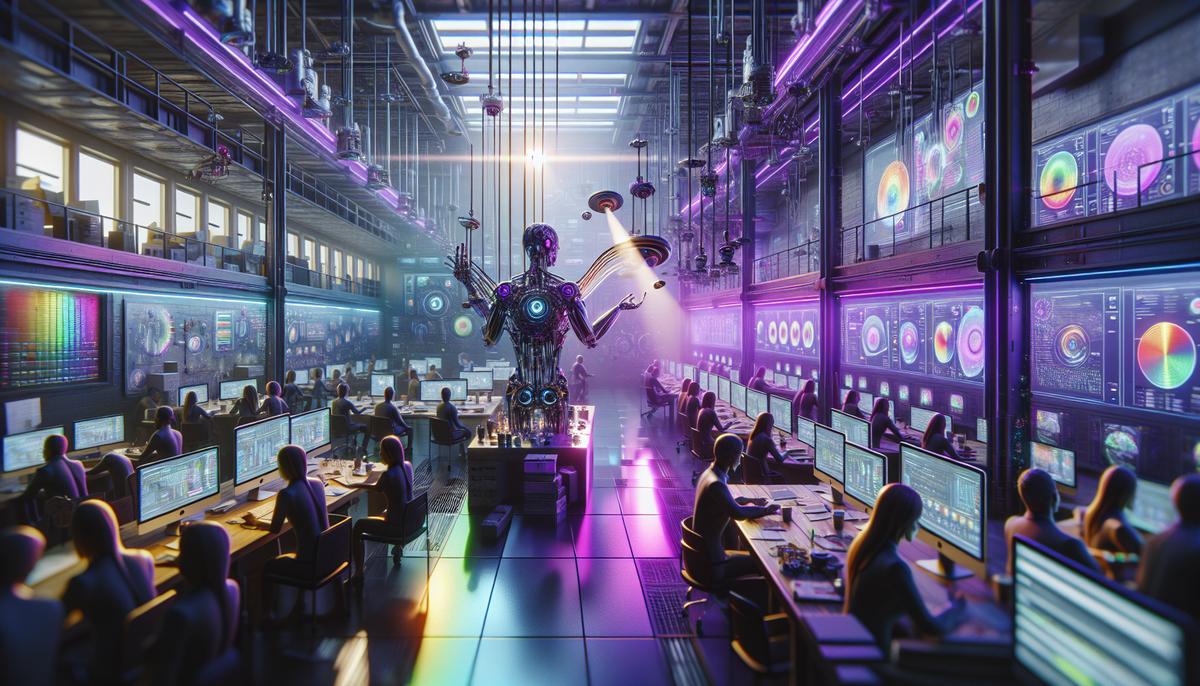
In 2026, businesses face growing pressure to streamline operations and stay competitive. IT automation and integration have become pivotal in eliminating bottlenecks and driving digital operations excellence. This transformation is not just technical; it’s a strategic business imperative.
Digital operations excellence hinges on seamless IT automation and integration that demolish workflow blockages, accelerate process cycles, and enable real-time decision-making. Imagine a retail company integrating inventory systems with automated ordering processes—bottlenecks caused by manual stock checks vanish, restocking happens instantly, and customer satisfaction improves. This approach transforms IT from a support function into a business keystone, fostering agility and accelerating revenue growth through optimized operations.
– Automation reduces manual errors and speeds up workflows across departments. – Integration connects disparate systems, ensuring data flows freely and decisions are well-informed. – Bottlenecks in processes such as supply chain management and customer service are substantially reduced. – Real-time insights enable proactive management rather than reactive problem-solving.
Current trends reveal that companies investing in IT-driven digital operations lead in efficiency and scalability. Businesses embracing integrated platforms report faster time-to-market and improved cross-team collaboration. For professionals, mastering tools that enable automation and integration is critical to driving innovation and sustaining competitive advantage in 2026’s digital economy. The shift underscores IT’s role as a center of business strategy, not merely a technical asset.
How is your organization leveraging IT automation and integration to eliminate bottlenecks? Share your experiences or challenges in adopting these digital transformation strategies. Let’s connect and exchange ideas on making IT the keystone of business excellence.
#DigitalTransformation #ITAutomation #BusinessExcellence #Integration #Innovation