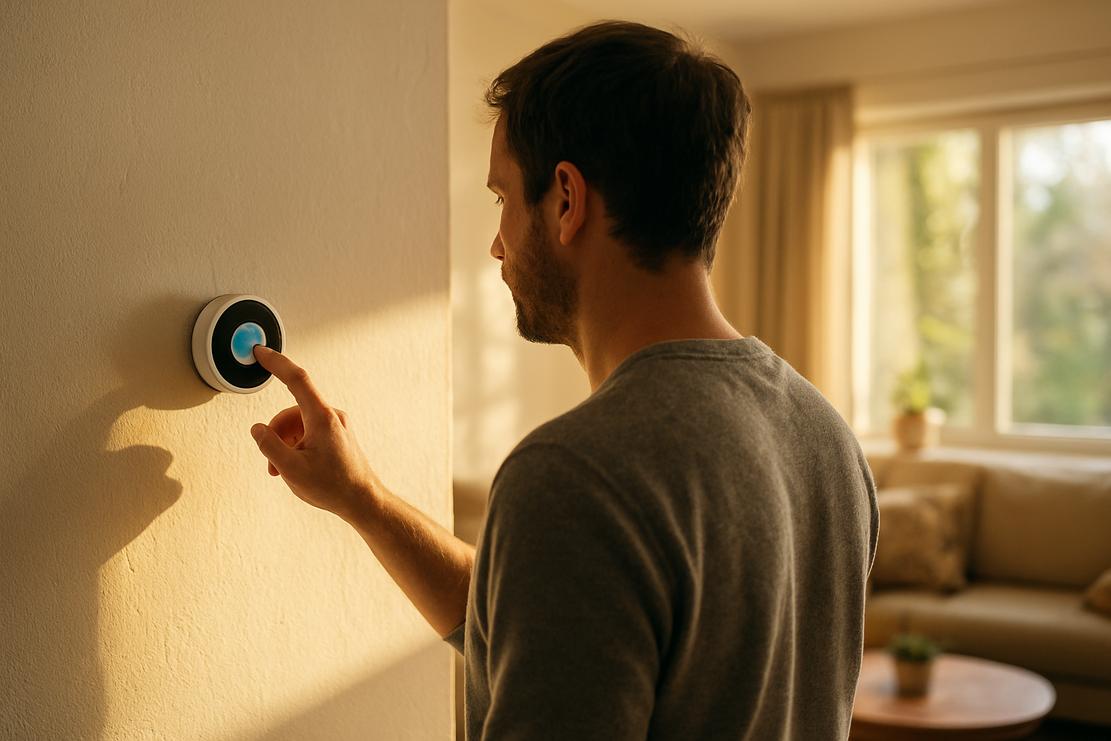
In 2026, Smart Home and IoT applications have accelerated beyond convenience, becoming essential pillars of modern living and business strategies. As connected devices seamlessly integrate into daily routines, they drive efficiency, security, and personalization like never before. This rapid evolution is shaping consumer expectations and opening vast new opportunities for innovation in residential and commercial environments.
This year marks significant advancements in Smart Home & IoT technologies, with industry-leading firms launching next-generation products focused on interoperability, AI-powered automation, and enhanced data privacy. The rise of edge computing within home networks has reduced latency and increased responsiveness of IoT devices, empowering smarter decision-making at the device level. Moreover, sustainability features are becoming standard, supporting energy savings and eco-friendly living. These breakthroughs are not just incremental; they are transforming how homes interact with occupants and service providers, setting new benchmarks for user experience and operational excellence.
Key 2026 developments include:
– Deployment of AI-driven hubs enabling predictive home management and proactive maintenance.
– Enhanced device interoperability through universal standards, simplifying ecosystem integration.
– Advanced security frameworks protecting user data while ensuring seamless device communication.
– Expansion of smart energy solutions that reduce household carbon footprints and utility costs.
– Introduction of voice and gesture control innovations improving accessibility and user engagement.
From these strides, several insights emerge. First, the integration of AI at the edge is democratizing smart home intelligence, allowing devices to adapt dynamically without needing constant cloud connectivity. Second, industry-wide adoption of interoperability standards is diminishing the fragmentation challenge, making device ecosystems more fluid and consumer-friendly. Third, the emphasis on robust security architectures reflects growing user demand for privacy and control over personal data amid increasing connectivity. Together, these trends position the smart home market to expand rapidly, fueled by consumer trust and technological maturity. Strategically, companies investing in open platforms and sustainable IoT solutions stand to lead the market in 2026 and beyond.
How is your organization leveraging the transformational potential of Smart Home & IoT applications this year? Whether it’s integrating AI capabilities, enhancing security protocols, or adopting green technologies, 2026 is the time to innovate and connect. I encourage you to share your experiences, challenges, or insights around these technologies to build a stronger, future-ready smart ecosystem together.
#SmartHome2026 #IoTInnovation #ConnectedLiving #AIandIoT #SustainableTech