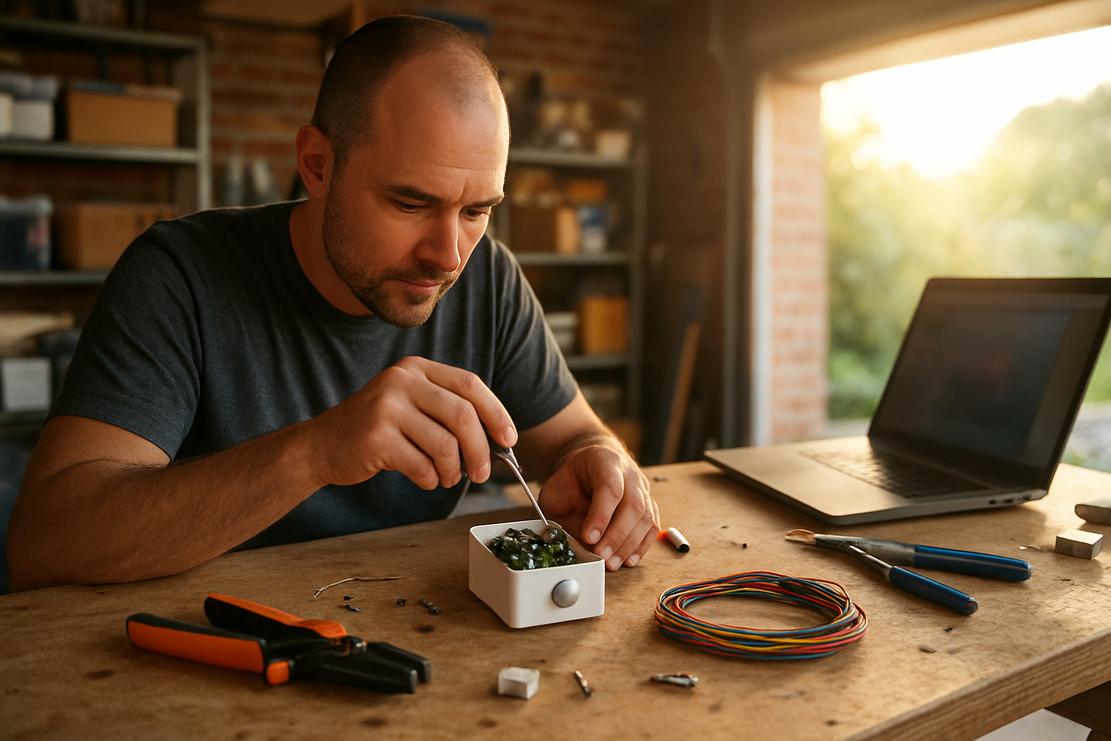
Smart Home & IoT automation projects have become more accessible than ever in 2026, empowering professionals to enhance daily living and workspace efficiency. Weekend builders and tech enthusiasts are leading the charge with creative, practical solutions tailored to individual needs.
DIY smart home projects now combine easy-to-follow tutorials with affordable components, allowing anyone to build systems for lighting, climate control, and security. For example, integrating a Raspberry Pi with open-source platforms lets you automate lights based on occupancy without needing expensive commercial systems. These projects foster innovation by encouraging experimentation and learning while delivering tangible benefits like energy savings and improved convenience.
Highlights include: – Step-by-step weekend builds that require minimal coding experience – Use of off-the-shelf sensors and microcontrollers for custom automation – Creative applications like voice-controlled appliances and smart garden monitoring – Tutorials emphasizing modular design for scalability and maintenance – Emerging community platforms sharing project blueprints and troubleshooting tips
The rise of DIY smart home automation reflects a broader trend towards personalized, cost-effective IoT solutions that professionals can adapt and expand. For companies, encouraging employee engagement with such projects could spur innovation and skills development in IoT technology. Additionally, the interoperability of DIY devices with mainstream platforms continues to improve, making integration smoother and more appealing for smart workspace transformation.
Have you tackled a weekend smart home automation project recently or are you planning one? Share your experiences, tips, or questions below to inspire our community. Let’s connect and explore how these hands-on innovations can reshape our homes and work environments in 2026.
#SmartHome #IoT #DIYAutomation #TechInnovation #WeekendBuilds