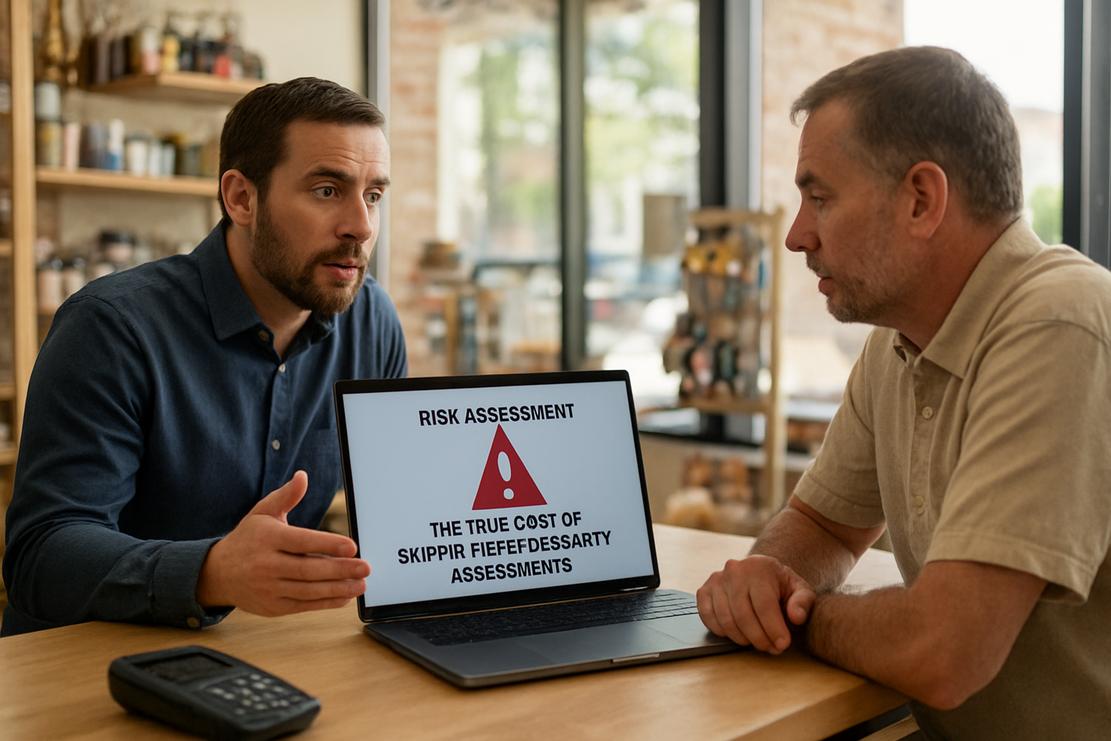
In 2026, businesses face escalating cyber threats, yet too many skip critical security assessments. Missing these evaluations can lead to devastating breaches, unexpected insurance issues, and crippling financial losses—especially for SMEs unaware of their vulnerabilities.
Cybersecurity frameworks guide businesses in identifying risks and fortifying defenses. When assessments are skipped, gaps remain hidden, increasing breach risks. For example, an SME that ignored regular assessments suffered a costly data breach losing client trust and facing denied insurance claims due to incomplete risk documentation. Proactively assessing cybersecurity not only reduces breach incidents but also ensures insurance compliance and informed mitigation strategies.
– Regular cybersecurity assessments reveal hidden vulnerabilities before attackers strike. – Breach statistics show SMEs skipping assessments are disproportionately targeted and impacted. – Insurance providers demand documented risk evaluations to validate coverage eligibility. – Case studies reveal SMEs’ financial and reputational costs skyrocketing post-breach without prior assessments. – Implementing frameworks streamlines compliance and strengthens organisational resilience.
The evolving threat landscape in 2026 underscores that cybersecurity isn’t optional—it’s a business imperative. Insurers increasingly require robust frameworks and documented assessments to avoid denial of claims. SMEs must integrate regular assessments to close risk gaps proactively. Failing to do so elevates breach probabilities, jeopardising operations and financial stability.
How is your organisation managing cybersecurity risk assessments in 2026? Share your experiences or strategies for bridging security gaps. Let’s discuss how embracing thorough frameworks can protect business value and build trust in an uncertain digital world.
#CyberSecurity #RiskManagement #SMEs #CyberInsurance #BusinessResilience