In 2026, aligning IT with business strategy is no longer optional—it’s essential for sustainable growth. As markets evolve, leveraging IT as a business keystone allows companies to anticipate change and stay competitive over the next 3 to 5 years.
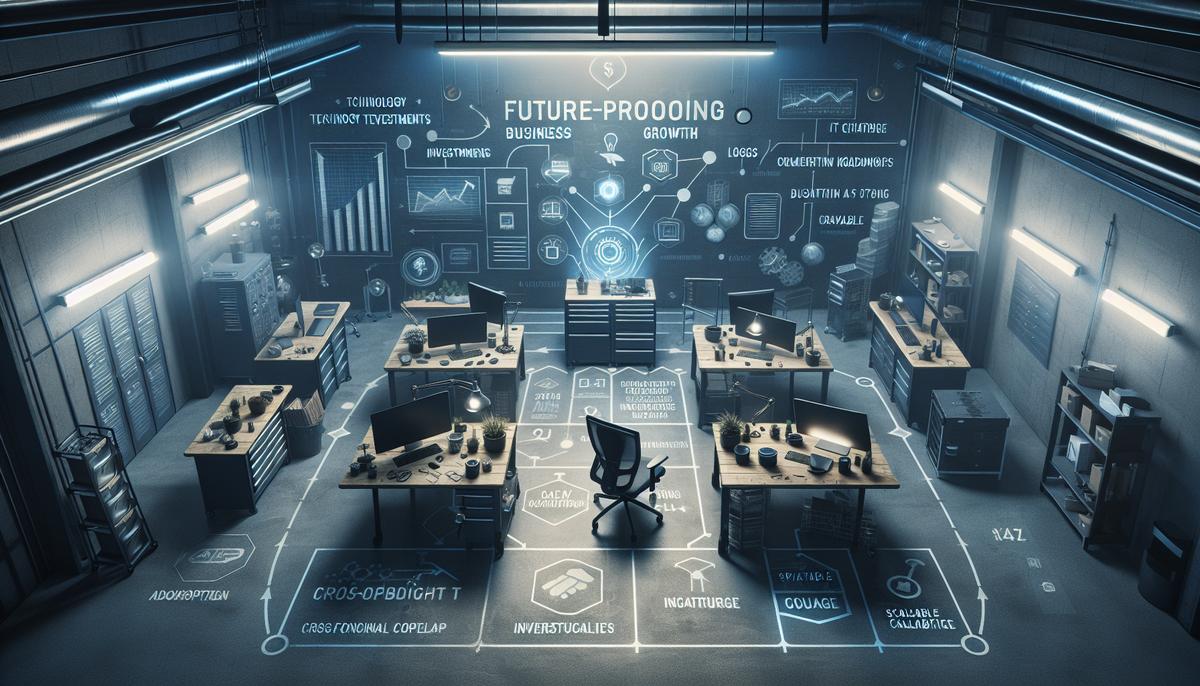
Strategic IT roadmaps provide a clear plan to invest in technology aligned with long-term business goals. For example, a retailer focusing on digital transformation may prioritize cloud solutions and AI-driven analytics over the next five years to enhance customer experience and optimize operations. This approach ensures technology spending supports growth ambitions, reduces waste, and fosters agility in adapting to market shifts.
• Aligns technology investments with measurable business objectives and growth targets. • Enables proactive identification and adoption of emerging technologies. • Bridges gaps between IT capabilities and market demands. • Supports scalable and flexible infrastructure to accommodate growth. • Facilitates cross-functional collaboration between IT and business leadership.
Companies embracing IT as a business keystone report increased agility and better risk management in an uncertain landscape. The trend toward integrating IT roadmaps with corporate strategy is accelerating, especially as digital ecosystems become more complex. Professionals should focus on building adaptive IT plans that incorporate new innovations while staying grounded in core business goals. This strategic alignment can drive competitive advantage and resilience through 2026 and beyond.
How is your organization leveraging IT roadmaps to future-proof growth? Share your insights or challenges below. Let’s connect and exchange ideas to build resilient IT strategies that truly underpin business success.
#ITStrategy #BusinessGrowth #DigitalTransformation #FutureProofing #TechLeadership