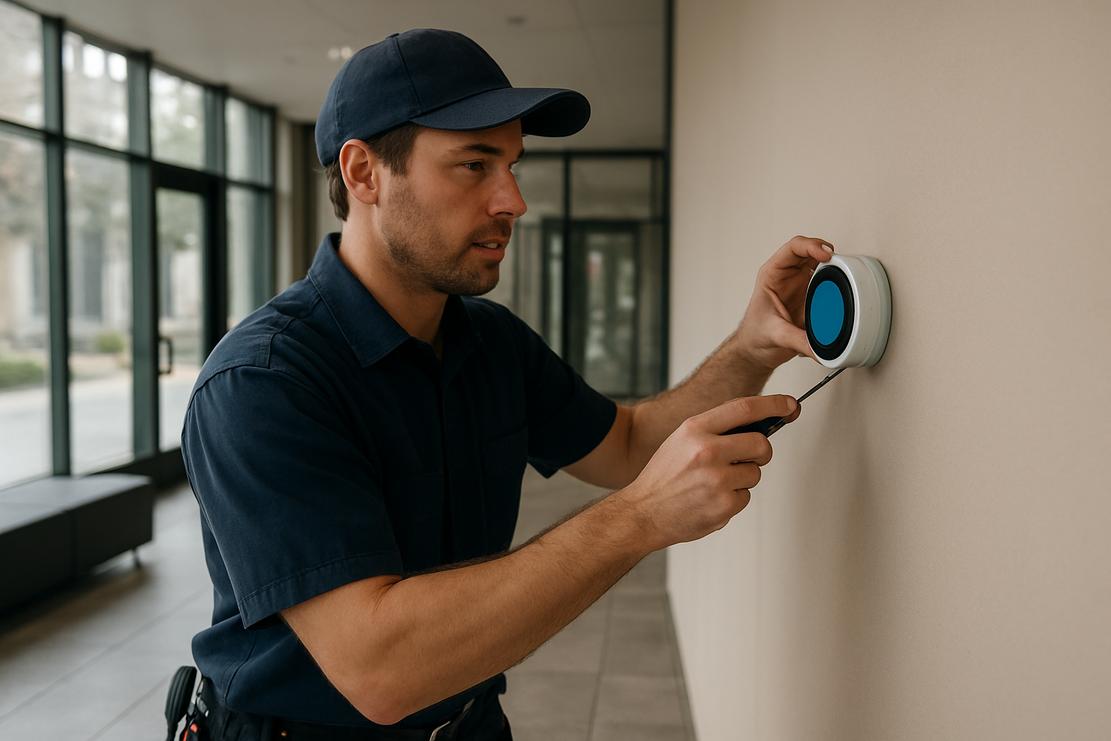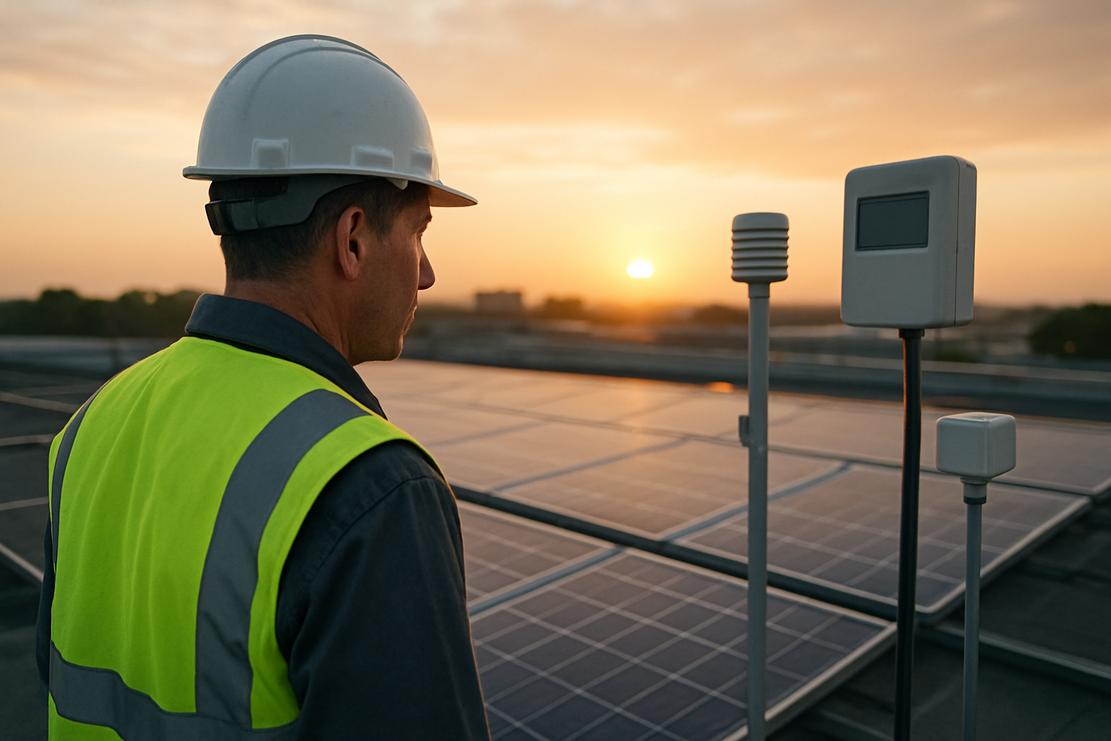
In 2026, smart building and industrial IoT technologies are transforming enterprise operations, cutting costs and boosting efficiency. These innovations have become essential for organisations aiming to optimise resources and respond quickly to evolving needs.
Smart IoT solutions connect devices and systems across buildings and industrial sites to monitor conditions, automate controls, and analyse data for operational savings. For example, sensors can track energy usage in real time, automatically adjusting heating and lighting to reduce waste without compromising comfort. This not only lowers utility bills but also supports sustainability goals. In manufacturing, IoT devices detect machine faults early, preventing costly downtime. Together, smart building and industrial IoT enable data-driven decision-making, ensuring enterprises run leaner and smarter.
• Real-time energy management reduces consumption and costs in smart buildings. • Predictive maintenance cuts downtime by identifying equipment issues early. • Automated environmental controls improve occupant comfort and safety. • Data analytics enhance operational insights for continuous improvement.
The trend towards integrating smart IoT in enterprises highlights a shift from reactive to proactive management of assets and resources. Companies adopting these technologies see measurable operational savings and lower carbon footprints. As vendor offerings evolve, interoperability and cybersecurity become critical priorities. For professionals, mastering IoT solutions offers opportunities to lead innovation and impact business efficiency strategically.
How is your organisation leveraging smart building or industrial IoT solutions to optimise operations? Share your experiences or challenges in the comments. Let’s connect and explore how these technologies can unlock new savings and efficiencies in 2026 and beyond.
#SmartIoT #EnterpriseEfficiency #OperationalSavings #SmartBuildings #IndustrialIoT