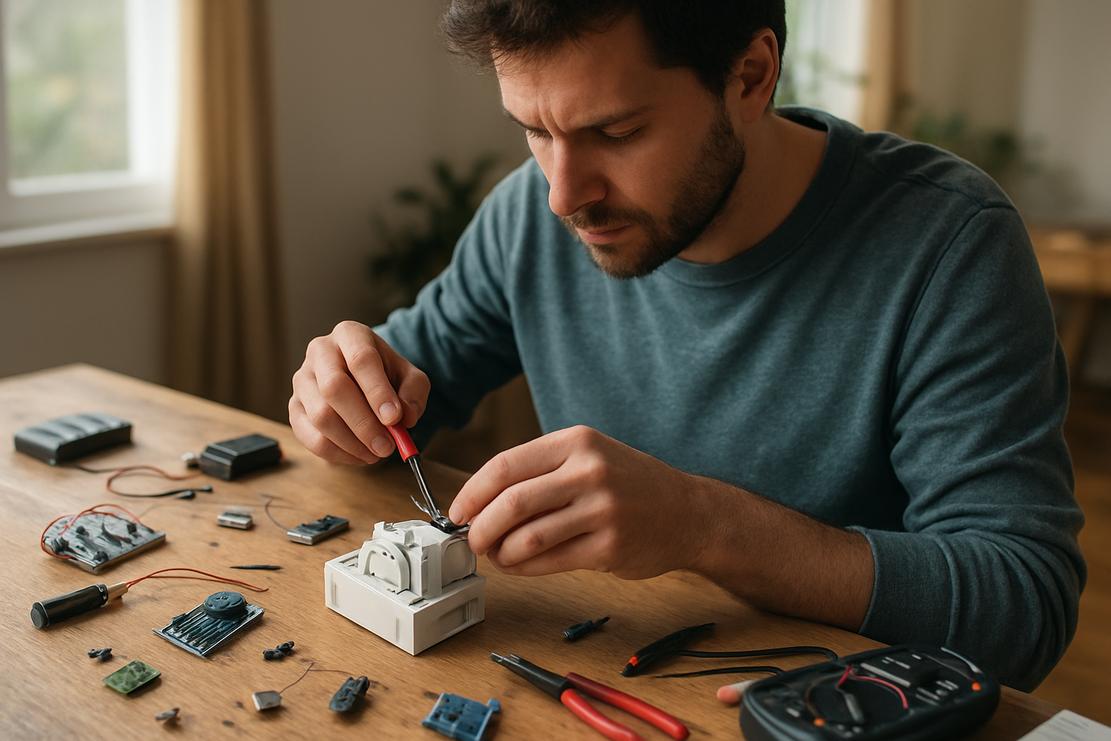
In 2026, energy management through Smart Home IoT technologies is more critical than ever. Rising costs and environmental concerns push industries and homeowners to smarter, data-driven energy use.
Smart Home IoT devices enable real-time energy monitoring and management, reducing waste and lowering utility bills effectively. For example, adaptive smart thermostats learn user habits and adjust heating or cooling accordingly, achieving energy savings without sacrificing comfort. IoT also coordinates appliances to operate during off-peak hours, optimising energy consumption patterns. These solutions help both households and businesses minimise their environmental footprint while lowering operational costs through precision and automation.
– IoT devices offer real-time data for efficient energy usage and cost control. – Automation helps operate appliances during low-cost energy periods, reducing bills. – Smart thermostats adapt to occupant behaviour, optimising heating and cooling. – Integration with renewable energy sources maximises sustainable consumption. – Analytics enable proactive maintenance and energy forecasting for facilities.
As 2026 progresses, integrating IoT in energy management grows from a trend to a necessity. The smart home and building sectors see rapid innovation as market demand for sustainability surges. Organisations that invest in IoT-powered energy systems not only reduce expenses but also enhance regulatory compliance and corporate responsibility. For professionals, understanding these technologies is vital to support companies transitioning to greener operations and smarter infrastructures.
How is your organisation leveraging IoT for energy management? Share your experiences or challenges with smart energy technology below. Let’s connect to exchange insights on reducing environmental footprints and operational costs through IoT innovations.
#SmartHome #IoT #EnergyManagement #Sustainability #Innovation