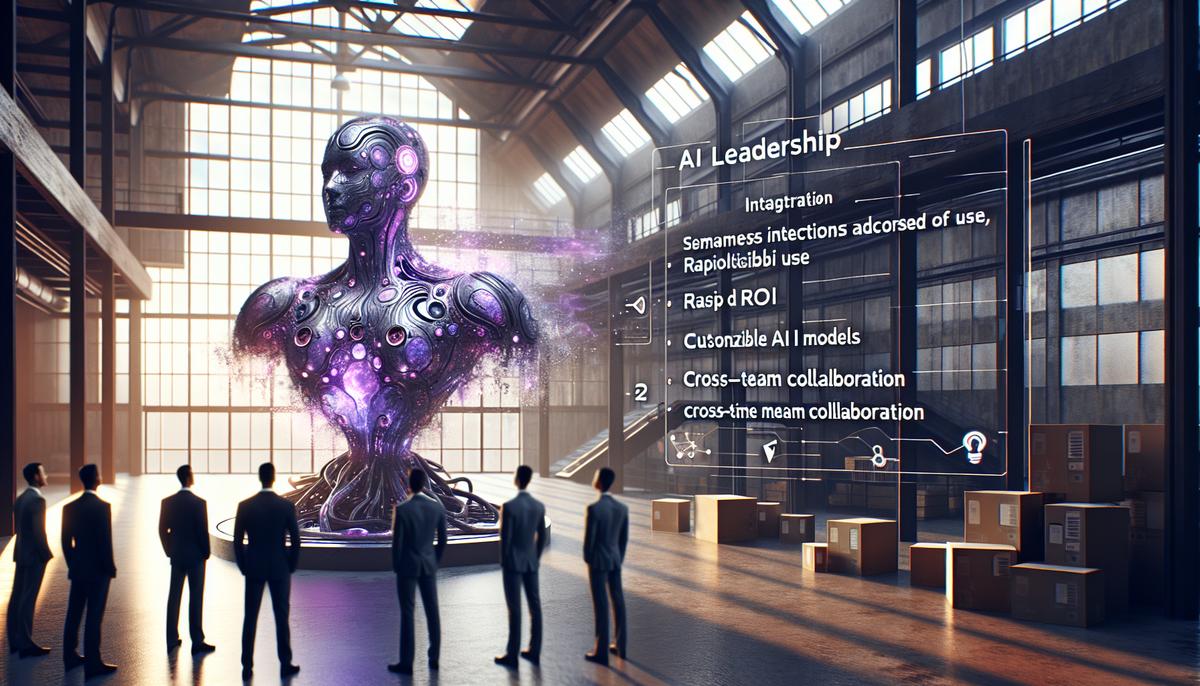
Artificial intelligence continues to evolve rapidly in 2026, reshaping leadership priorities across industries. For CAIOs and AI leaders, understanding where AI is heading is no longer optional—it’s critical for strategic success.
AI leadership today goes beyond managing technology; it demands foresight into emerging AI capabilities and their organizational impact. For example, leaders must anticipate how next-generation generative AI will influence decision-making processes and workforce dynamics. This requires building agile frameworks that integrate ethical considerations and continual skill development. Practical AI foresight empowers leadership teams to prepare for disruptive shifts, ensuring competitive advantage while fostering responsible innovation.
– Anticipating AI’s impact on business models and operational workflows is essential.
– Leading with ethics and transparency guides trustworthy AI adoption.
– Cultivating AI literacy throughout the organization accelerates transformation.
– Planning for AI-driven talent shifts prepares companies for evolving roles.
2026 highlights a trend toward embedding AI strategy deeply into executive leadership roles, making CAIOs key drivers of innovation. Organizations prioritizing proactive AI futures thinking outperform peers in agility and resilience. Companies embracing multidisciplinary collaboration in AI leadership create adaptable cultures ready for accelerated technological change. These insights underscore that AI leadership is as much about culture and governance as technology.
How is your organization preparing for AI-led shifts in leadership and strategy? Share your experiences or challenges in fostering AI readiness. Let’s connect to discuss how CAIOs can shape ethical, forward-looking AI futures in today’s fast-changing landscape.
#AILeadership #CAIO #ArtificialIntelligence #FutureOfWork #AIFutures