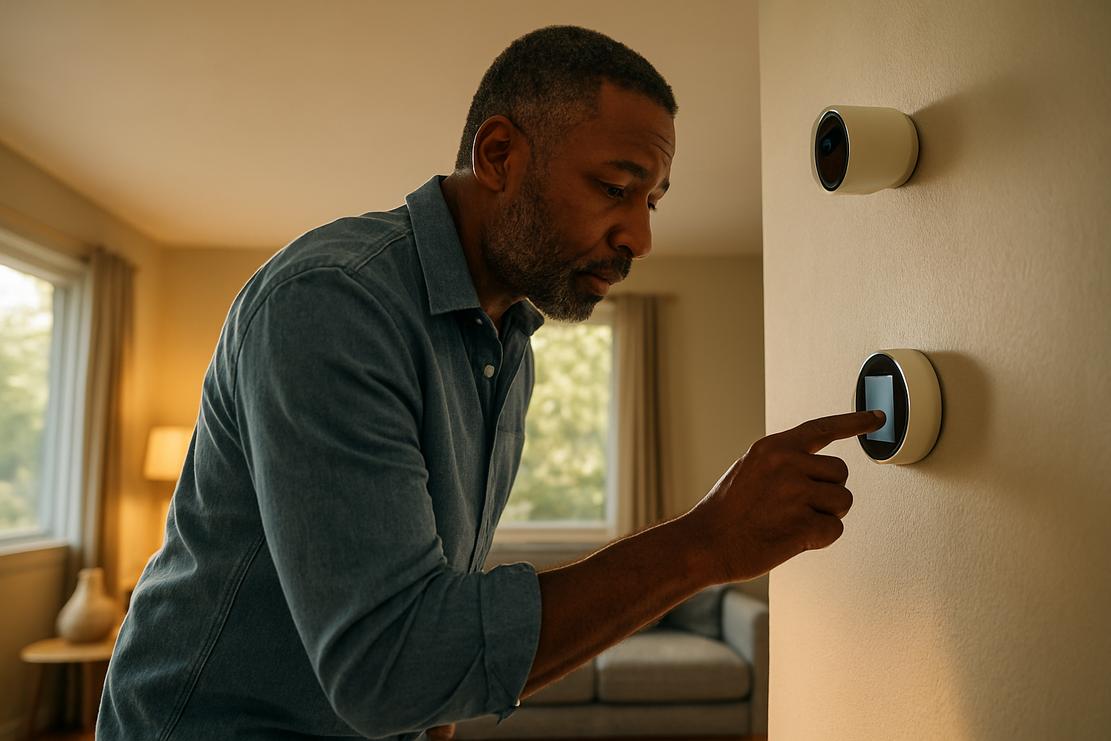
As smart homes become commonplace in 2026, securing connected devices from cyber threats has never been more critical. The rise of IoT networks presents unique privacy challenges that require proactive protection.
Smart home devices—from thermostats to security cameras—collect vast amounts of personal data, creating attractive targets for attackers. Addressing vulnerabilities means deploying robust network segmentation and regular firmware updates to prevent breaches. For example, isolating devices in separate VLANs hampers attackers from moving laterally across your network. Automated security updates ensure that newly discovered exploits are patched swiftly, reducing risk. Professionals managing smart home ecosystems must prioritise these tactics to maintain user trust and safety as IoT use surges.
• Network segmentation effectively confines breaches to limited areas.• Firmware and security patches are essential for up-to-date protection.• Multi-factor authentication prevents unauthorised device access.• Encrypting IoT communications guards data privacy.• Continuous monitoring detects unusual activities early.
Looking ahead, IoT security in smart homes demands a layered defence approach combining technical safeguards and user education. Integration of AI-driven threat detection is evolving to anticipate emerging attack vectors. Companies offering smart home solutions will need to embed privacy by design to meet regulatory standards and consumer expectations. Moreover, collaboration between manufacturers and security experts will be vital to develop interoperable and resilient security frameworks.
What strategies have you found effective in securing smart home IoT networks? Share your experience or challenges in the comments below. Let’s connect and discuss innovations shaping safer connected homes in 2026.
#SmartHomeSecurity #IoTPrivacy #ConnectedHomes #Cybersecurity #TechInnovation