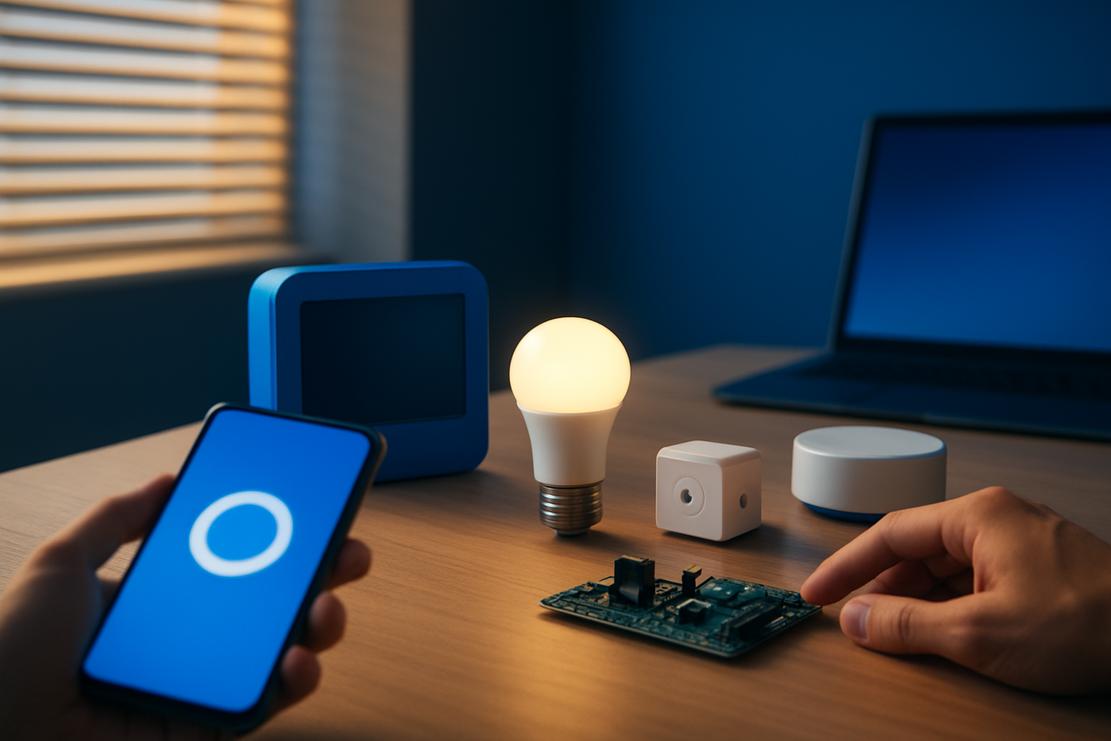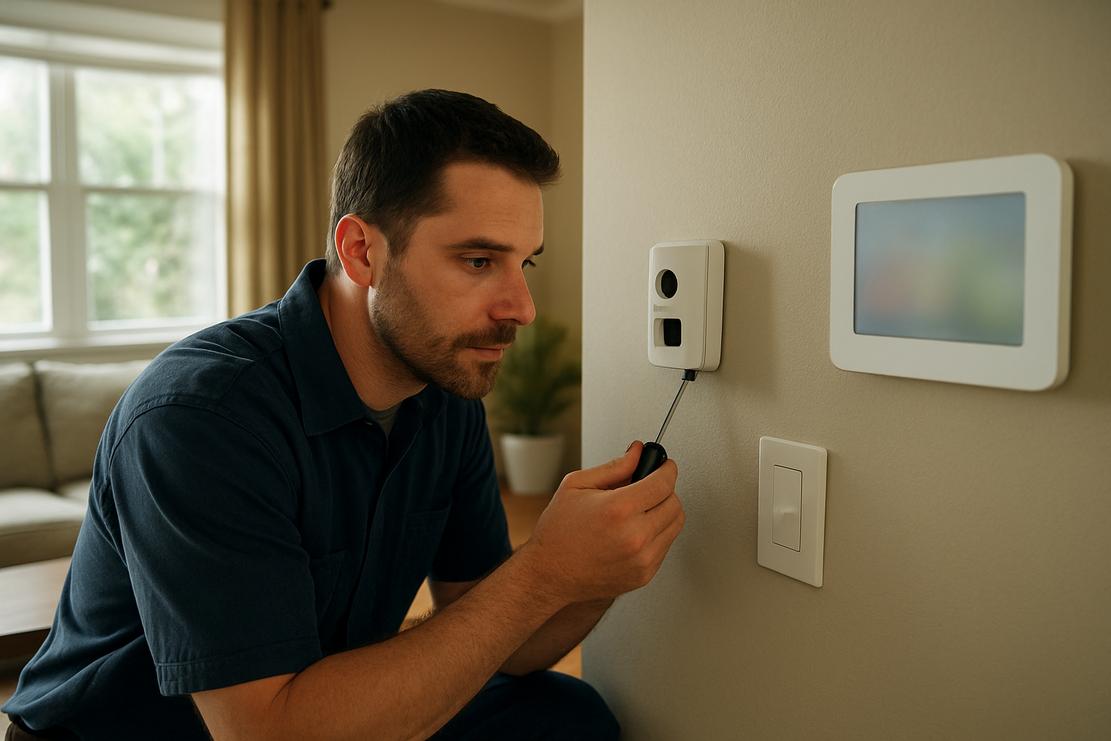
As the number of connected devices in our homes continues to grow in 2026, so does the need to protect these ecosystems from evolving cyber threats. Securing IoT networks is no longer optional but essential for privacy and safety.
Smart homes rely on interconnected devices that collect and share data to improve convenience and efficiency. However, this connectivity also exposes vulnerabilities that cybercriminals can exploit. For example, a compromised smart thermostat can serve as an entry point to your home network. Practical security measures like device authentication, network segmentation, and regular software updates help prevent unauthorized access and maintain user privacy. Understanding these fundamentals is crucial for professionals managing IoT infrastructure and protecting consumers.
– Implementing robust device authentication protocols to verify the identity of connected devices
– Applying network segmentation to isolate IoT devices and limit potential breach impacts
– Enforcing continuous software patching and updates to address emerging vulnerabilities
– Educating users on best security practices for smart home device management
In 2026, the blend of AI-driven threat detection and advanced encryption techniques is setting new standards in IoT security. Companies are expected to prioritise pre-emptive approaches that anticipate attacks before they occur. Moreover, regulatory frameworks around data privacy and device security are becoming more stringent, pushing manufacturers to design inherently secure products. Professionals must stay informed and adaptable to safeguard smart homes effectively in this dynamic landscape.
How is your organisation responding to the growing security challenges in smart homes and IoT? Share your experiences or strategies in the comments. Let’s connect to exchange insights and drive stronger protection for connected living environments.
#SmartHomeSecurity #IoTSecurity #CyberPrivacy #ConnectedHomes #TechInnovation