In 2026, securing smart homes and IoT networks is more critical than ever. As connected devices multiply, so do opportunities for cyber threats targeting our most personal spaces. The challenge: balancing convenience with robust security and privacy safeguards.
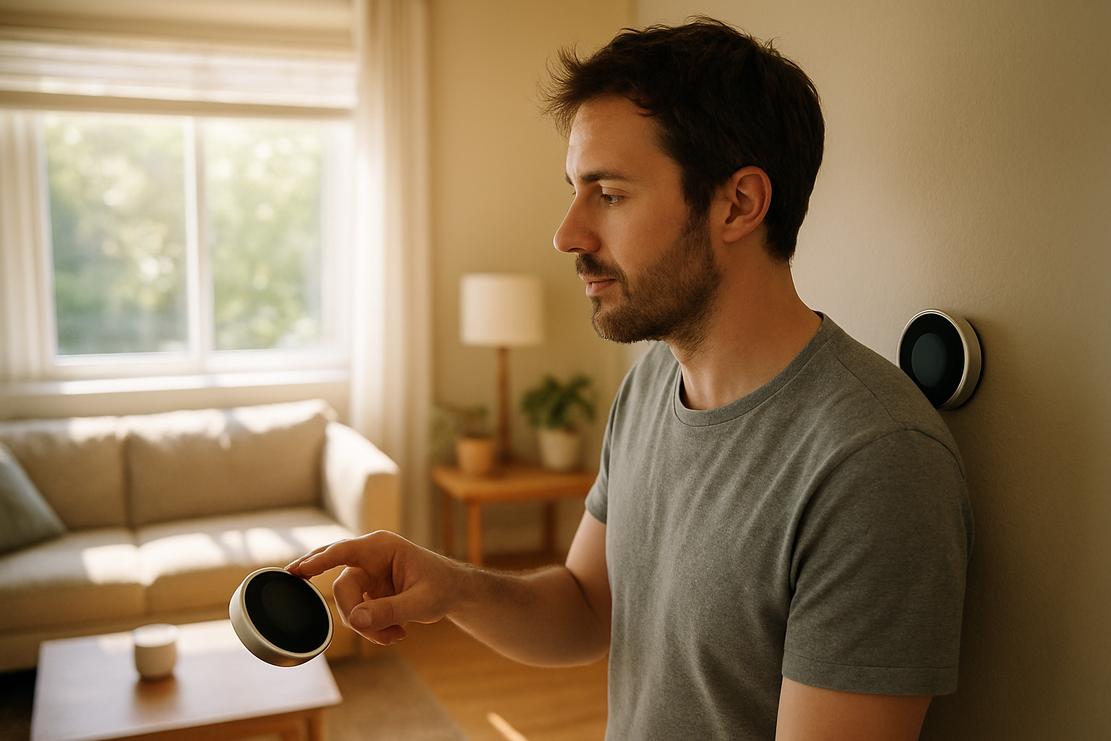
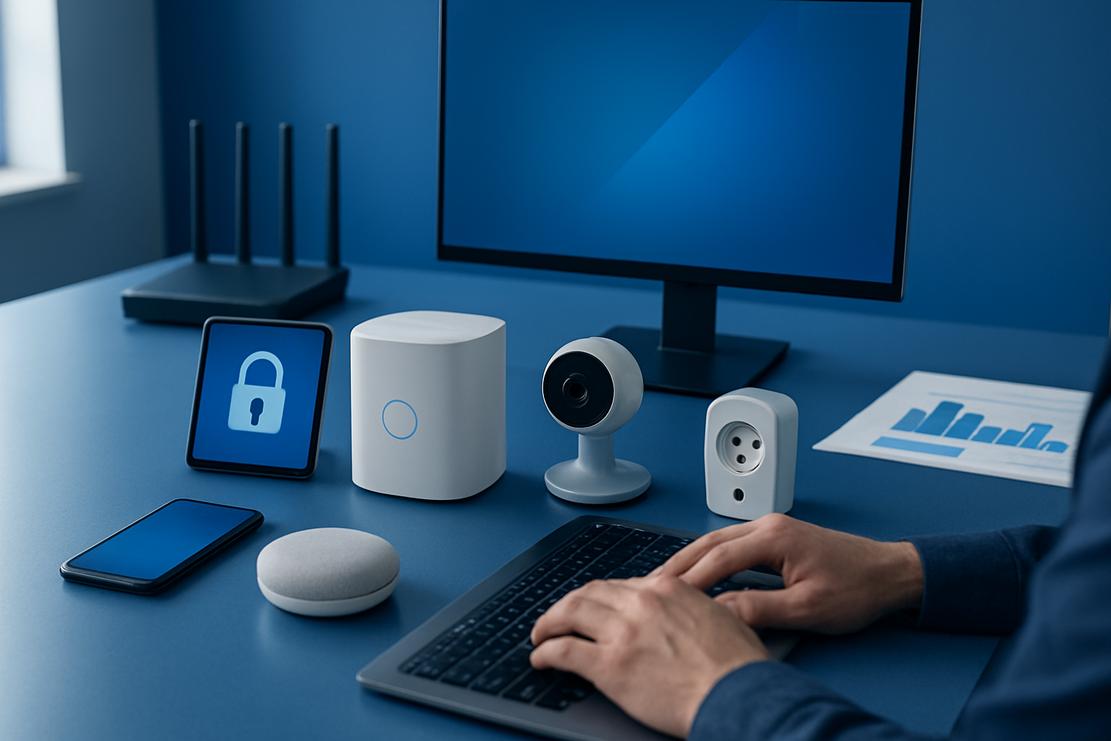
Smart home ecosystems integrate devices like cameras, smart locks, and voice assistants, making daily life seamless but also vulnerable. Effective security means adopting multi-layered defenses—device authentication, encrypted communications, and regular software updates. For example, a smart thermostat vulnerability exploited last year highlighted the need for real-time threat detection embedded within home networks. Professionals must understand these technologies to safeguard households and prevent unauthorized access or data leaks.
Key aspects include: • Implementing zero-trust security models for every device and user • Using edge AI to detect anomalous IoT behavior early • Encrypting data end-to-end between devices and cloud services • Prioritizing privacy by design in device development and network management • Educating users on securing their home networks against common attacks
The landscape in 2026 shows a rising emphasis on AI-driven anomaly detection, providing proactive protection without compromising user experience. Manufacturers and service providers are increasingly adopting standardized security frameworks to harmonize defenses across diverse devices. For businesses, investing in IoT security now means reducing liability and building consumer trust, as privacy concerns become a key purchasing factor.
How is your organization addressing smart home security in 2026? Share your insights or challenges faced in protecting connected environments. Let’s connect to exchange best practices and stay ahead in the evolving IoT security landscape.
#SmartHome #IoTSecurity #Privacy #ConnectedDevices #Cybersecurity