As smart homes and IoT devices become ubiquitous in 2026, safeguarding privacy and security is more crucial than ever. Connected devices bring convenience, but they also open new avenues for cyber threats that can impact daily living and data integrity.
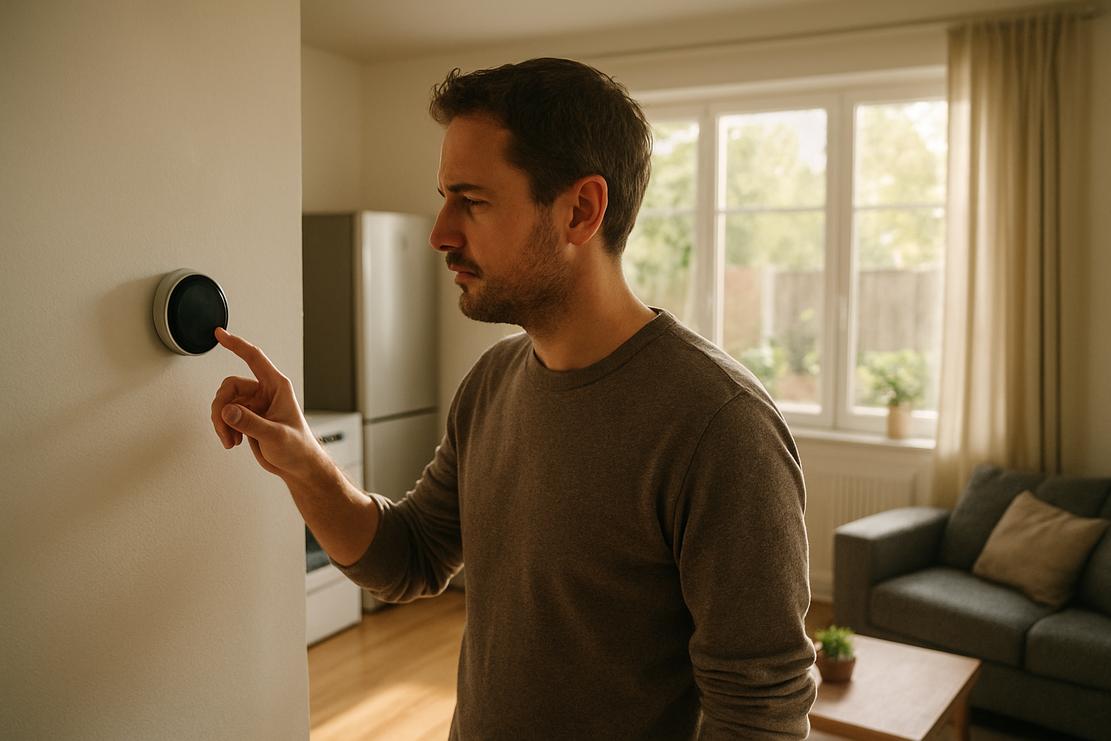
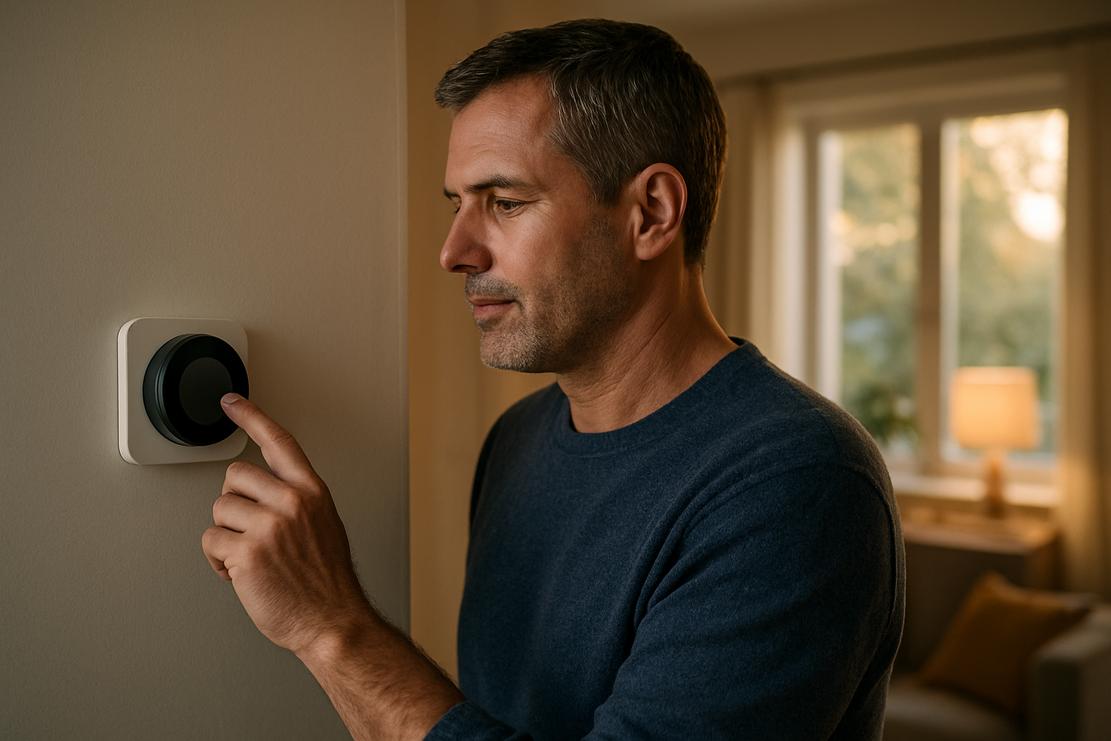
Protecting your connected home isn’t just about locking doors; it includes securing your entire IoT network. For instance, smart thermostats and voice assistants can collect sensitive personal data if improperly protected. Practical steps include implementing strong encryption, regularly updating device firmware, and segmenting home networks to isolate vulnerable devices. These measures shield your home from attackers exploiting security gaps, thereby preserving privacy and peace of mind.
– Enforce end-to-end encryption on smart devices to protect data flows.
– Use network segmentation to isolate IoT devices from critical systems.
– Regularly update device software to patch security vulnerabilities.
– Employ multifactor authentication where possible for device access.
– Educate household members on recognising phishing and suspicious activity.
The growing sophistication of cyberattacks targeting IoT requires professionals and organisations to prioritise advanced security strategies. Trends in AI-powered threat detection and blockchain authentication are shaping stronger defences. For companies, integrating security at the design phase of smart products ensures safer ecosystems, while homeowners benefit from accessible controls and alerts. These shifts highlight the industry’s movement from reactive to proactive security models in connected environments.
How is your organisation or household enhancing IoT security in 2026? Share your strategies or challenges, connect with peers facing similar issues, and stay informed on emerging best practices to protect connected homes and networks effectively.
#SmartHomeSecurity #IoTPrivacy #ConnectedHomes #Cybersecurity #TechTrends