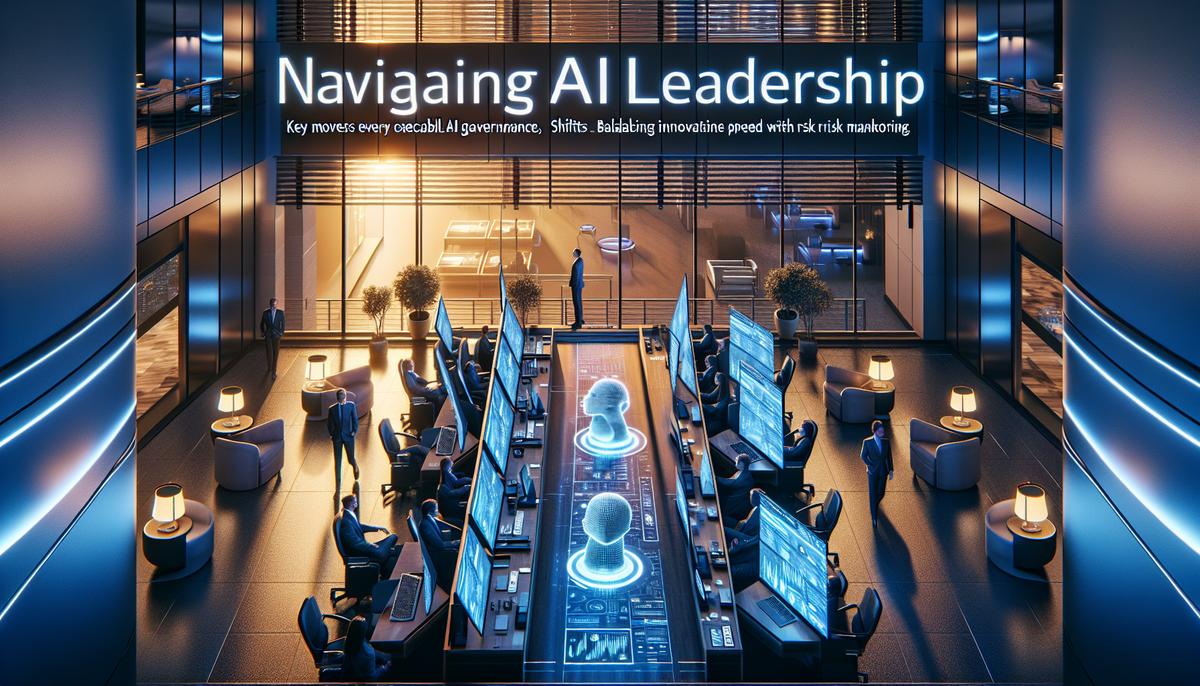
As AI innovation accelerates in 2026, Chief AI Officers (CAIOs) and AI leaders face unprecedented strategic challenges. Staying informed on weekly developments is crucial to lead confidently and align AI initiatives with broader business goals.
Effective AI leadership now requires more than technical expertise; it demands a strategic mindset to adapt quickly to dynamic changes in AI policies, technologies, and organizational priorities. For example, recent shifts in AI governance frameworks require executives to recalibrate risk management approaches while fostering innovation. This blend of agility and foresight empowers CAIOs to drive AI initiatives that not only optimize operations but also unlock new revenue streams.
• Strategic AI governance is evolving with new compliance mandates impacting data ethics and usage. • Talent management in AI is becoming vital, requiring leaders to invest in continuous upskilling of teams. • Collaboration between CAIOs and C-suite leaders is enhancing alignment on AI’s business value. • Monitoring AI’s impact on customer experience and operational efficiency is key for measurable success.
These trends imply that AI leadership roles are expanding in scope, demanding broader cross-functional collaboration and stronger strategic foresight. Companies prioritizing adaptable AI governance and executive alignment see faster innovation cycles and improved risk mitigation. For professionals, this underscores the value of building versatile leadership skills focused on both technical insight and business strategy to stay competitive in 2026’s AI landscape.
How is your organization adapting AI leadership to these emerging challenges? Share your experiences or questions about navigating AI strategy shifts. Let’s connect and discuss how CAIOs and AI executives can best prepare for the evolving AI-driven future.
#AILeadership #ChiefAIOfficer #AIStrategy #ExecutiveLeadership #Innovation