Artificial intelligence is rapidly transforming how organizations innovate and operate in 2026. Today’s AI leaders – Chief AI Officers (CAIOs) and executives – must anticipate future trends to stay competitive and ethical in this evolving landscape.
Effective AI leadership means more than managing technology; it requires vision to guide entire organizations through uncertainty and transformation. For example, CAIOs are now integrating AI ethics frameworks into development cycles to ensure responsible innovation. This prepares companies not only to leverage AI’s benefits but also to navigate risks related to bias, compliance, and transparency. Leading with foresight helps organizations design adaptable AI strategies that align with shifting market demands and evolving regulations.
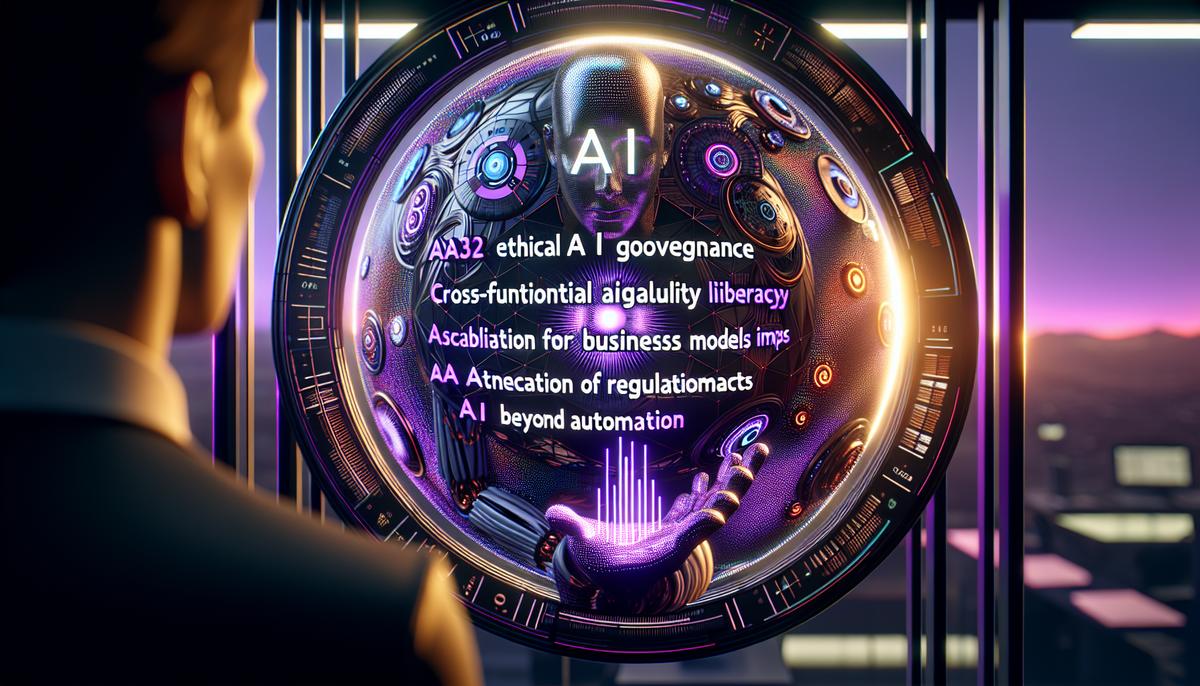
• Embedding ethical AI governance in product and service design • Building cross-functional AI literacy across teams • Prioritizing AI scalability and sustainability in business models • Anticipating regulation impacts and aligning leadership initiatives accordingly • Leveraging AI for strategic advantage beyond mere automation
In 2026, AI leadership is moving from experimental pilots to foundational enterprise capabilities. Forward-thinking CAIOs will focus on human-AI collaboration, cultivating skills for augmented intelligence rather than replacement. Regulatory environments are tightening globally, requiring proactive governance and transparency. Companies that invest in robust AI futures planning today will build trust and resilience, positioning themselves as market leaders in the competitive AI-driven economy.
How is your organization preparing for the AI future? Share your experiences or challenges in AI leadership and let’s discuss strategies to unlock value responsibly. Connect to explore how visionary AI governance can drive sustainable growth.
#AILeadership #ChiefAIOfficer #FutureOfAI #AIEthics #Leadership2026