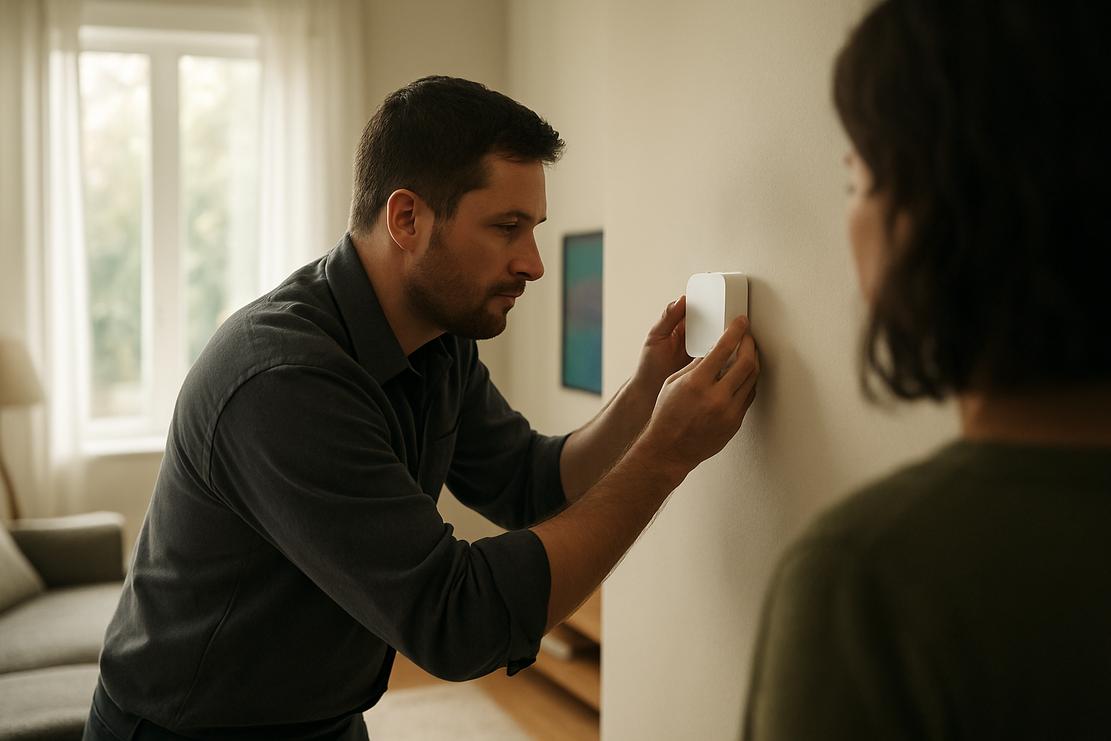
In 2026, smart home innovation is driven by interoperability challenges finally being tackled head-on. The Matter protocol is gaining momentum as the universal language that enables diverse IoT devices to work together effortlessly. This evolution is reshaping how professionals design, deploy, and manage smart environments.
Matter simplifies smart home integration by providing a common framework for devices from different brands to communicate securely and reliably. For example, a lighting system from one manufacturer can now seamlessly interact with a security camera or voice assistant from another, without compatibility headaches. This reduces setup complexity and enhances user experience, enabling professionals to deliver smarter, more cohesive IoT solutions. By adopting Matter, companies accelerate innovation cycles and future-proof their products against fragmentation.
• Matter standardizes device communication for broad compatibility across ecosystems. • Enables more straightforward, secure device onboarding and management. • Drives wider adoption by reducing consumer and developer friction. • Supports new smart home scenarios powered by cross-brand interoperability. • Facilitates industry collaboration to accelerate innovation and scale.
The swift adoption of Matter in 2026 signals a transformative shift towards unified smart home experiences. Businesses embracing this protocol are positioned to lead in customer satisfaction and market growth. The growing ecosystem reduces vendor lock-in and opens avenues for innovative service offerings. For professionals, mastering Matter means delivering integrated solutions that are easier to deploy and maintain, while staying aligned with emerging industry standards.
How is your organisation leveraging Matter to enhance IoT interoperability? Share your insights or challenges below, and let’s connect to explore how seamless device integration can unlock new opportunities in smart homes and beyond.
#SmartHome #IoT #MatterProtocol #Interoperability #Innovation