In 2026, digital transformation remains a top priority for leaders navigating complex enterprise environments. The lessons from large-scale implementations are more vital than ever to avoid costly missteps and accelerate value delivery.
Successful digital transformation requires clear technology leadership that anticipates challenges in integration, stakeholder alignment, and change management. For example, enterprises deploying cloud migration across multiple regions must coordinate cross-functional teams and legacy systems carefully. Leadership that fosters transparency and agile decision-making helps overcome technical and organizational hurdles, driving smoother rollouts and measurable business impact.
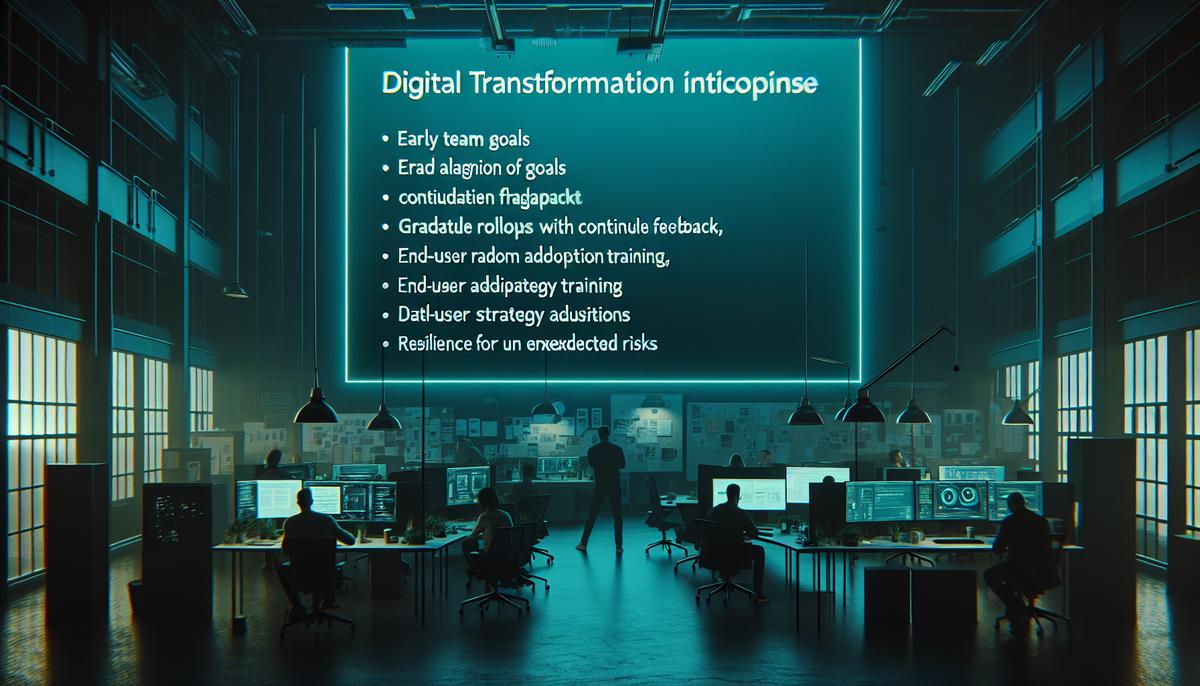
• Establish executive sponsorship early to align goals and secure resources. • Prioritize phased rollouts with continuous feedback to manage complexity. • Invest in change management to support end-user adoption and training. • Leverage data-driven insights to adjust strategies proactively. • Build resilient cross-team collaboration to handle unexpected risks.
Key insights reveal that companies investing in technology leadership capabilities see faster realization of digital transformation benefits. Trends show growing emphasis on combining technical expertise with soft skills like communication and adaptability. For professionals, this means developing leadership agility and fostering inclusive project cultures are crucial for success in 2026 and beyond.
How are you leading digital transformation efforts within your organization? Share your experiences or challenges with complex implementations and enterprise rollouts below. Let’s connect to discuss best practices and strategies that drive meaningful change in technology leadership.
#DigitalTransformation #TechnologyLeadership #EnterpriseIT #ChangeManagement #TechStrategy