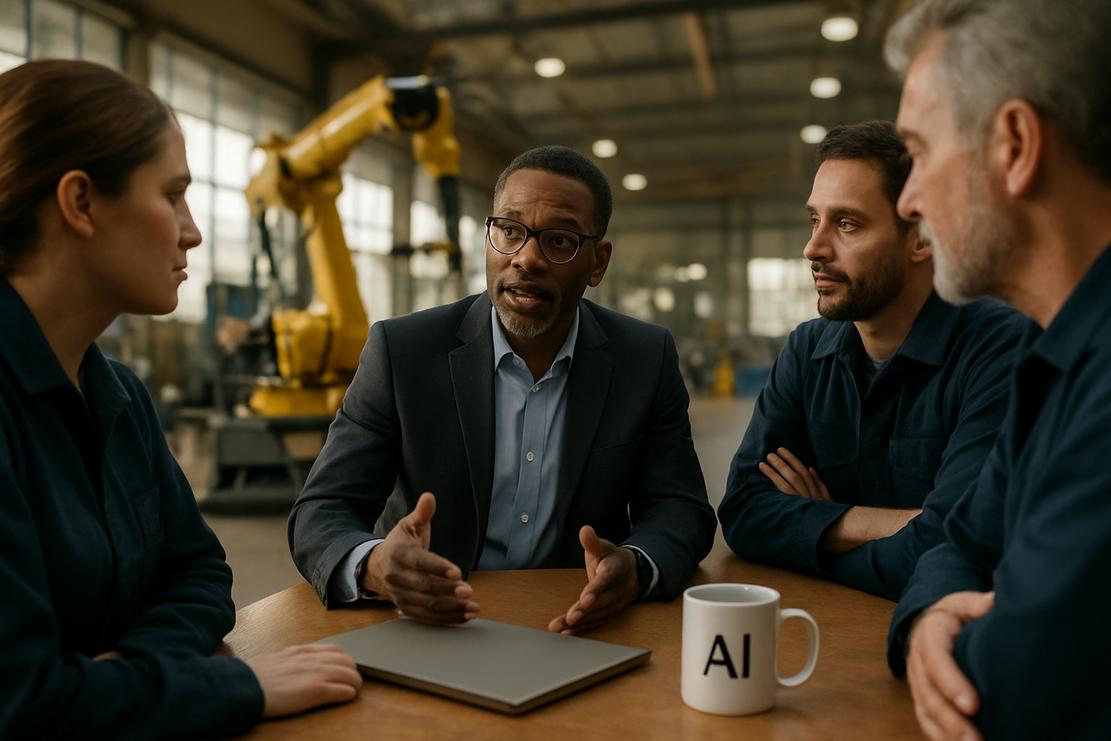
As AI transforms industries in 2026, leadership roles like CAIO have become pivotal. Building AI-ready organizations requires more than adopting technology; it demands reshaping culture, skills, and workforce strategies.
Successful AI leadership integrates strategic vision with practical workforce development. For example, companies investing in targeted upskilling programs enable employees to harness AI tools confidently, creating a culture of continuous learning. CAIOs are driving initiatives that align AI adoption with core business goals, ensuring teams adapt and thrive. This transformation is not just about technology but how leaders foster an environment that embraces change and innovation.
– Building an AI-ready culture starts with leadership commitment and clear communication. – Upskilling is essential: continuous training keeps the workforce agile and competent. – Workforce transformation requires cross-functional collaboration between HR, IT, and business units. – CAIOs act as strategic integrators, aligning AI capabilities with organizational goals. – Real-world implementation includes pilot projects that demonstrate AI’s value and build momentum.
In 2026, organizations with strong AI leadership see faster adoption and better ROI from AI investments. Emphasizing culture and people strategies reduces resistance to change and equips employees with relevant skills. The rise of CAIO roles reflects how leadership priorities are shifting from solely technical deployment to holistic transformation. These trends highlight the need for a balanced approach combining strategy, technology, and workforce development.
How is your organization adapting its leadership and workforce strategies to AI challenges? Share your experiences or insights on building AI-ready cultures and upskilling initiatives. Let’s connect and discuss practical approaches to AI leadership that drive sustainable transformation.
#AILeadership #CAIO #Upskilling #WorkforceTransformation #AIReady