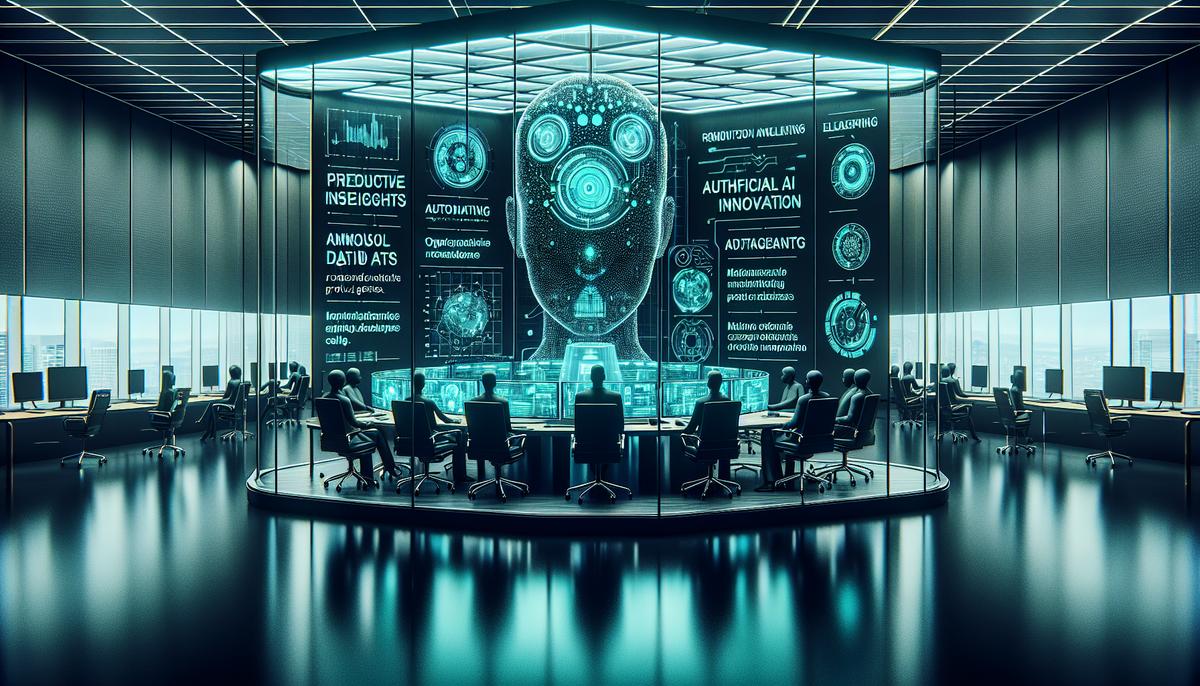
In 2026, AI-driven technology leadership is no longer a competitive advantage—it’s the foundation for innovation and growth. As AI reshapes industries, leaders must integrate intelligent systems to steer innovation effectively and remain relevant.
AI-driven leadership involves leveraging machine learning, data analytics, and automation to inform strategic decisions, accelerate product development, and optimize operational efficiency. For example, technology leaders now use AI-powered forecasting tools to predict market trends and tailor innovation pipelines accordingly, reducing time-to-market and resource waste. This approach enables teams to focus on creativity and strategic impact rather than routine tasks, fostering a culture of continuous innovation guided by data and AI insights.
• AI enables predictive analytics for smarter innovation roadmaps. • Automation accelerates development cycles and reduces errors. • Intelligent systems help leaders balance risk and opportunity dynamically. • AI facilitates personalized customer solutions through adaptive technology. • Integration of AI fosters collaborative, agile technology cultures.
Professionals and companies in 2026 must prioritize AI literacy and cross-functional AI strategy integration to stay ahead. The growing availability of advanced AI platforms means leadership roles increasingly require managing hybrid human-AI teams. Moreover, ethical AI use and transparent algorithms are becoming critical trust factors for innovation leadership. Embracing these trends will differentiate successful organizations in rapidly evolving markets.
How is your organization harnessing AI to drive innovation and leadership in 2026? Share your experiences or challenges with integrating AI-driven strategies. Let’s connect to explore practical ways to elevate technology leadership for the future.
#AILeadership #TechInnovation #DigitalTransformation #FutureOfWork #AIinBusiness