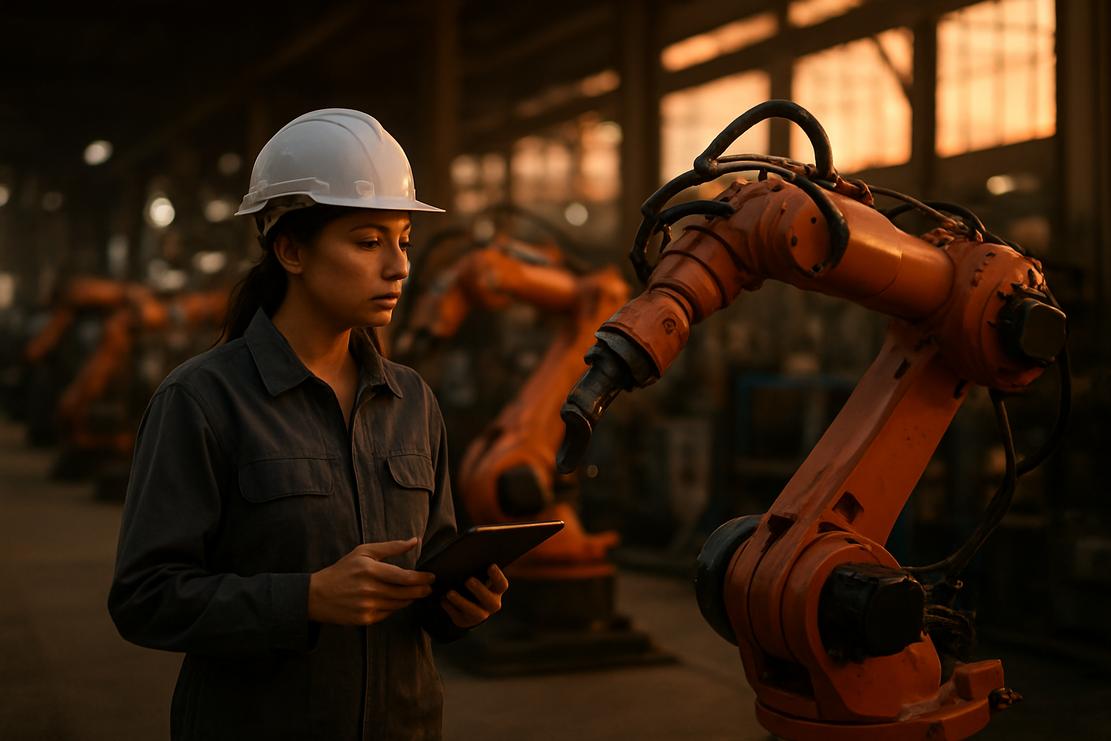
In 2026, AI-driven leadership is transforming how organisations innovate and compete. Technology leaders now harness AI not just for automation but as a core driver of strategic growth and decision-making.
Successful technology leadership today means integrating AI deeply into business models. This includes leveraging AI for predictive analytics to anticipate market changes or using AI-enabled platforms to accelerate product development cycles. For example, a CIO might deploy AI tools to gather real-time customer insights, enabling rapid adaptation of tech roadmaps and innovation priorities. By fostering a culture that embraces AI, leaders empower teams to experiment, learn, and iterate faster, thereby driving meaningful innovation and operational excellence.
– AI fosters data-driven decision-making, improving precision and agility in leadership strategy. – Embedding AI enables scalable innovation across product and service lines. – Leaders focusing on AI integration shape future-ready organisations responsive to market dynamics. – Practical applications include AI-powered analytics, automation of routine tasks, and accelerating concept-to-market timeframes.
Trends in AI-driven leadership highlight the growing importance of ethical AI governance and cross-functional collaboration. Companies investing in AI upskilling for their leadership pipelines are seeing stronger innovation outcomes. Additionally, the shift toward AI as a strategic asset encourages transparency and inclusivity, creating trust among stakeholders while scaling innovation. For professionals, staying abreast of evolving AI capabilities and their impact on leadership roles is critical in 2026’s competitive landscape.
How has your organisation leveraged AI to innovate or lead technology change? Share your experiences or challenges below, and connect to explore strategies for driving AI-powered transformation in leadership roles.
#AIDrivenLeadership #TechInnovation #DigitalTransformation #FutureOfWork