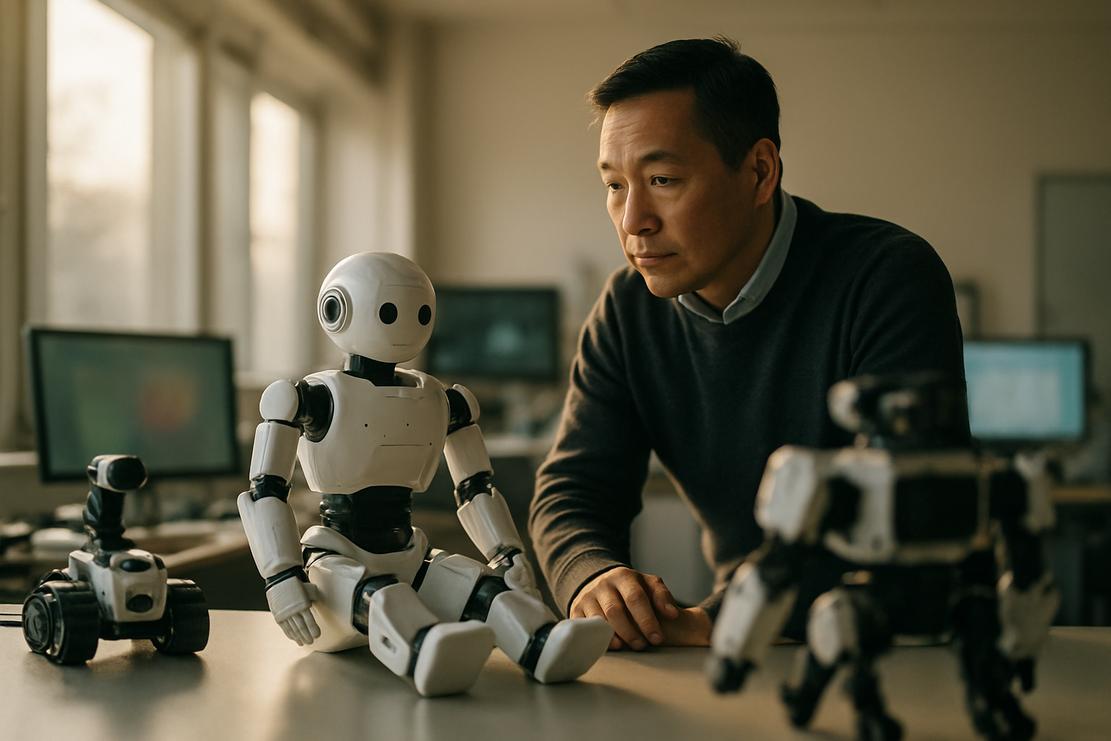
In 2026, AI-driven technology leadership is no longer optional—it’s essential for staying competitive. The rapid evolution of AI tools is reshaping how leaders innovate and make strategic decisions, demanding new skills and perspectives.
Successful technology leaders today leverage AI to drive innovation from ideation to implementation. For example, integrating generative AI can streamline product development cycles by automating complex coding tasks and simulating user scenarios. This hands-on adoption empowers leaders to enhance operational efficiency while fostering creative problem-solving. By prioritising AI literacy and collaborative frameworks, technology heads can guide their teams through continuous transformation, ensuring innovations align with business goals and ethical standards.
• AI enables faster, data-driven decision-making across product and technology teams. • Generative AI accelerates prototyping and software development stages. • Leadership must cultivate AI fluency and invest in continuous learning. • Cross-functional collaboration is key when integrating AI tools responsibly. • Innovation leaders shape digital strategy to include both AI opportunities and risk management.
Key trends reveal that firms embedding AI at the leadership level outperform competitors in innovation and agility. Professionals must adapt by developing hybrid skills blending technical expertise with strategic vision. Moreover, responsible AI adoption requires leaders to consider ethical implications, fostering trust and transparency. This dual focus on capability and accountability will define industry leadership in 2026 and beyond.
How is your organisation evolving its leadership approach to leverage AI innovation? Share your experiences or challenges with AI-driven transformation. Let’s connect and exchange insights on steering technology strategy effectively in this rapidly changing landscape.
#AILeadership #TechInnovation #DigitalTransformation #FutureOfWork