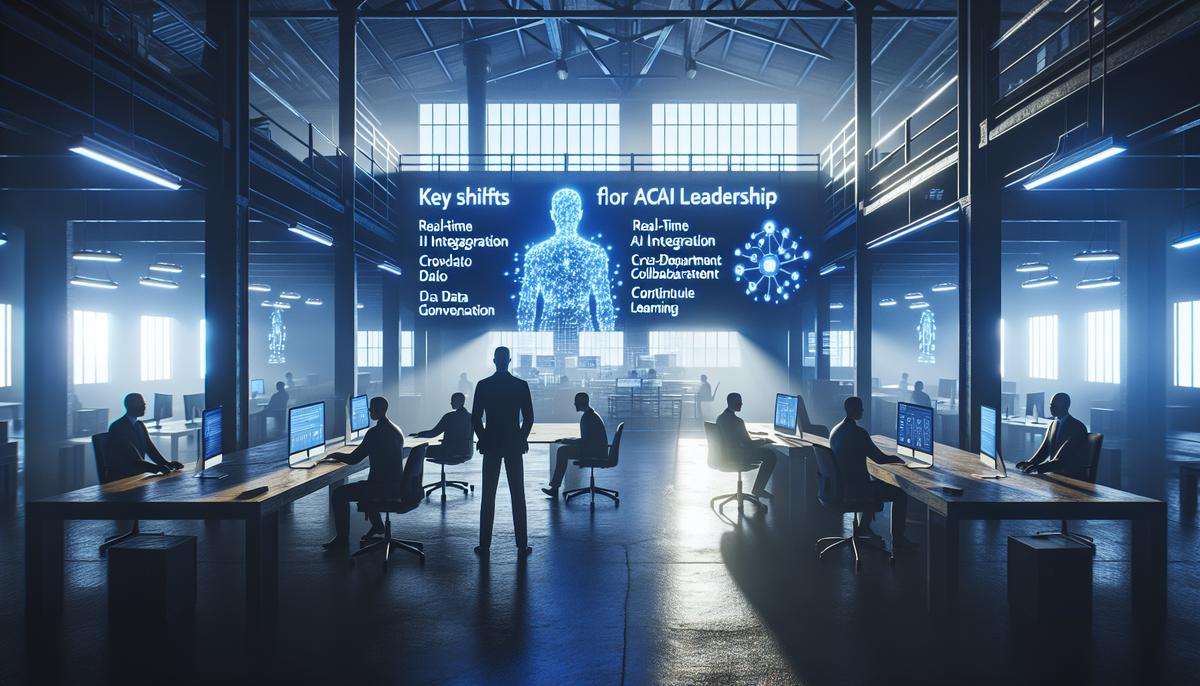
Artificial intelligence is evolving rapidly in 2026, reshaping industries and leadership roles alike. Chief AI Officers (CAIOs) and AI leaders face unprecedented challenges and opportunities to steer their organizations through this transformative era.
As AI systems grow more sophisticated, leadership must move beyond technology adoption to strategic foresight. For example, CAIOs now integrate AI ethics, governance, and human-centric design into their roadmaps. They are preparing teams to collaborate with AI tools, balancing innovation with risk management. This proactive approach ensures organizations remain competitive while adhering to societal expectations. Practical steps include designing AI that supports workforce augmentation and ethical decision-making frameworks, reinforcing trust and agility.
• Emphasizing ethical AI deployment to mitigate bias and ensure compliance. • Building AI literacy across organizational layers to promote collaborative innovation. • Integrating AI governance as a core strategic pillar for risk mitigation. • Anticipating AI-driven shifts in customer experience and operational models. • Cultivating agile AI teams that adapt quickly to evolving technology landscapes.
Leaders must recognize that AI futures are not merely technical challenges but strategic imperatives blending ethics, innovation, and workforce evolution. The rise of responsible AI frameworks signals a shift towards greater accountability. Organizations investing in AI leadership capabilities now will better navigate regulatory changes and market disruption. Furthermore, fostering a culture open to AI augmentation prepares companies for sustained growth and resilience in fast-changing environments.
How is your organization preparing for AI’s future impact? Share your insights or experiences with AI leadership challenges and strategies. Let’s connect to discuss how CAIOs can lead with vision and responsibility in this dynamic AI-driven landscape.
#AILeadership #ChiefAIOfficer #FutureOfAI #AIEthics #Leadership2026