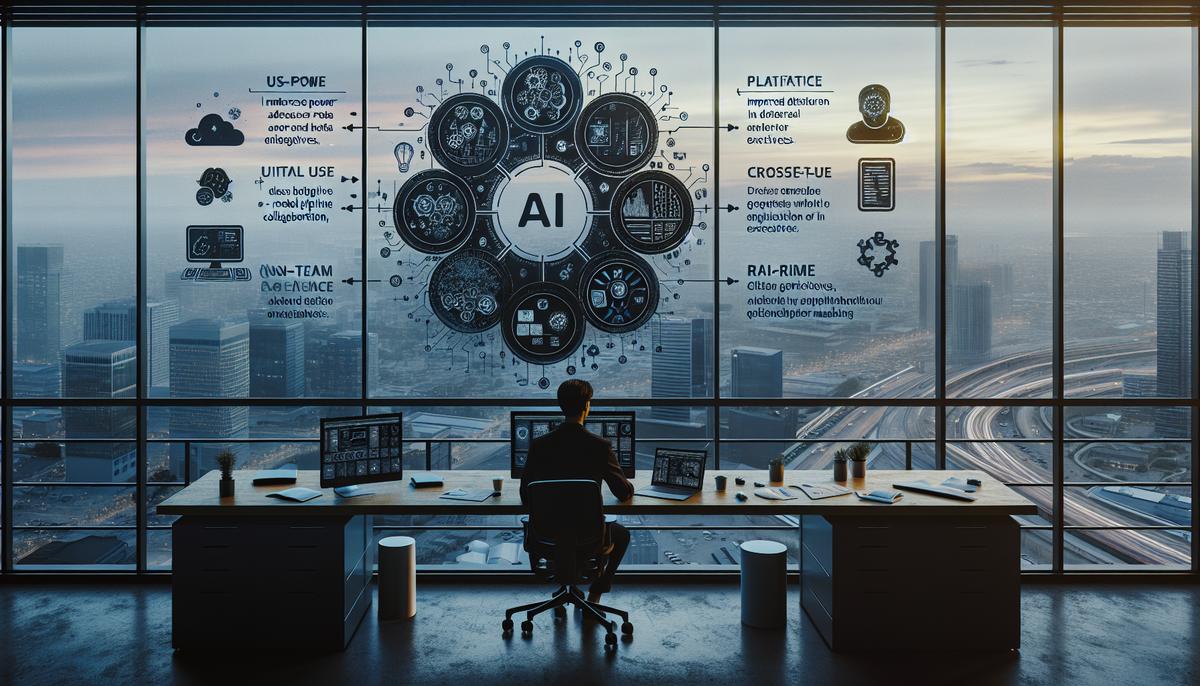
As AI reshapes industries in 2026, Chief AI Officers face unprecedented challenges and opportunities. Understanding AI’s future trajectory is essential for leaders aiming to stay ahead and drive innovation confidently.
AI leadership today demands more than just technical know-how; it requires strategic vision informed by evolving AI trends and ethical considerations. For example, a CAIO implementing generative AI must anticipate its business impacts while defining governance frameworks that balance innovation with risk mitigation. This dual focus ensures AI drives value without compromising trust. By deeply engaging with AI’s evolving landscape, leaders position their organisations to exploit new capabilities while navigating emerging regulatory and societal expectations.
• AI futures thinking helps integrate emerging technologies into strategic roadmaps effectively. • Establishing robust AI governance frameworks protects organisations from ethical and operational risks. • Cross-functional collaboration is key to embedding AI solutions that align with business goals. • CAIOs should prepare for shifts in workforce skills and organisational culture driven by AI adoption. • Continuous learning about AI’s capabilities and limitations strengthens leadership decision-making.
AI leadership increasingly intertwines with corporate strategy in 2026, making the CAIO role critical for competitive advantage. Trends show that proactive AI governance improves stakeholder confidence and long-term resilience. Additionally, understanding AI’s societal impact supports sustainable innovation paths. For professionals and companies, embedding foresight into AI initiatives is no longer optional but a necessity to thrive in dynamic markets.
How are you preparing for the evolving AI landscape in your organisation? Share your experiences or challenges with AI leadership and strategy. Connect to exchange ideas on leading AI futures and driving responsible innovation.
#AILeadership #CAIO #AIFutures #InnovationStrategy #ResponsibleAI