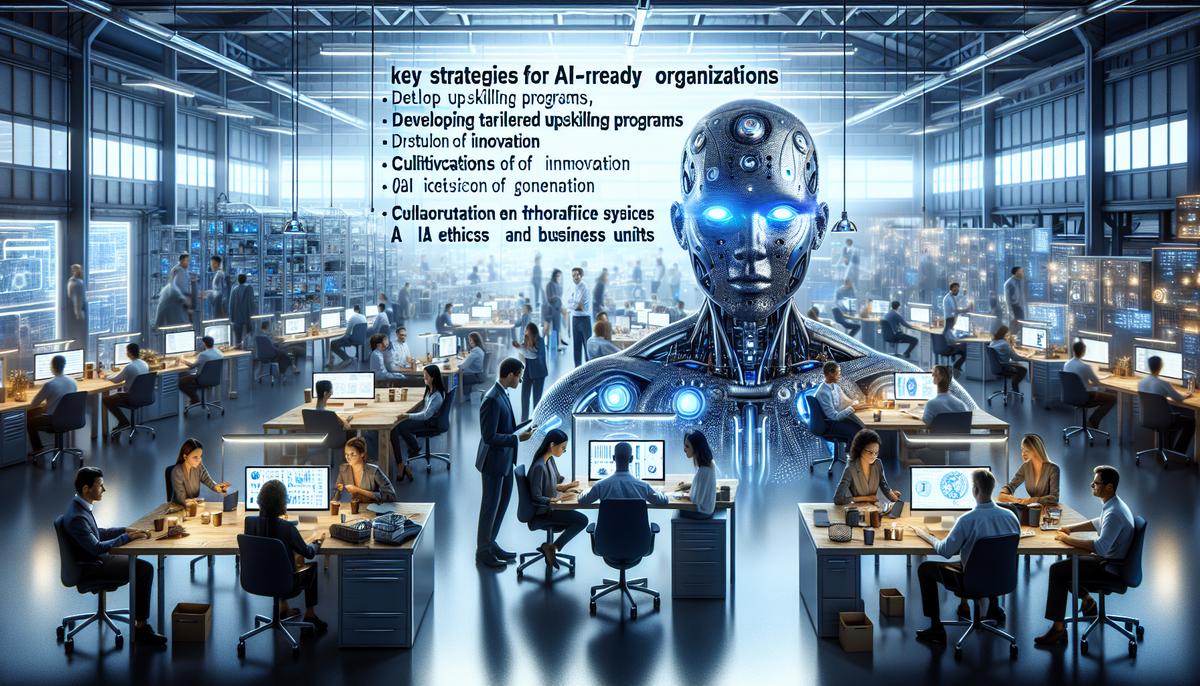
Artificial intelligence is reshaping leadership in profound ways in 2026. As AI grows more integral to business strategy, CAIOs are pivotal in steering organizations through rapid change and uncertainty. Preparing for AI’s evolving future is no longer optional—it’s mission critical.
The role of the Chief AI Officer is rapidly evolving from overseeing AI projects to shaping long-term AI vision and ethical frameworks. Today’s CAIOs must balance innovation with governance, ensuring AI technologies deliver value while mitigating risks. For example, incorporating AI ethics committees can help align AI deployment with organisational values and regulatory shifts. Practical AI leadership also involves upskilling teams and embedding AI thinking across departments, driving agility and competitive advantage.
– CAIOs now lead enterprise-wide AI strategy integration, aligning AI with business goals. – Ethical AI governance frameworks are increasingly vital to maintain trust and compliance. – Upskilling and cross-functional collaboration increase AI literacy and innovation capacity. – Close monitoring of AI impact ensures risk mitigation and sustained value creation.
AI leadership in 2026 demands a mindset shift: leaders must be proactive in anticipating AI trends and regulatory landscapes. Embracing responsible AI not only fosters public trust but also opens new avenues for innovation. The convergence of AI and human expertise is a key driver for sustainable success, making CAIOs central to future-proofing organisations. Companies investing in this leadership now position themselves to thrive amid fast-evolving AI capabilities.
How is your organisation adapting to AI’s evolving leadership demands? Share your experiences or challenges in aligning AI strategy with ethics and innovation. Let’s connect and discuss how CAIOs can best prepare for AI’s future to drive impactful outcomes.
#AILeadership #ChiefAIOfficer #FutureOfWork #ResponsibleAI #InnovationStrategy