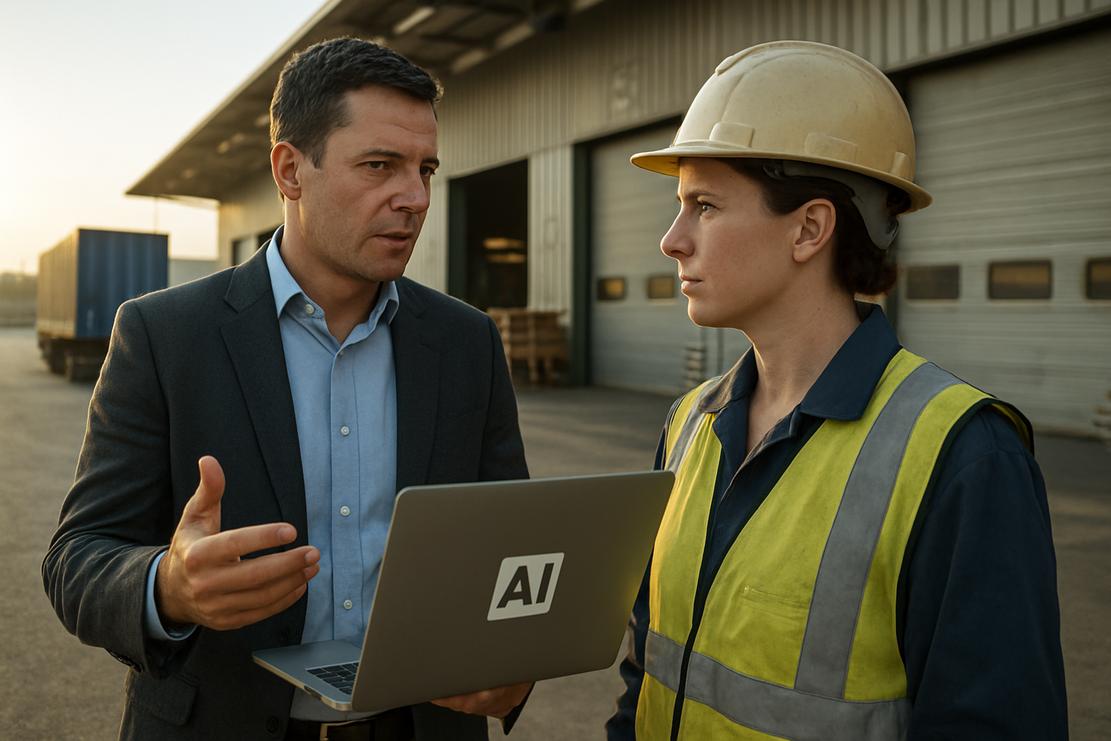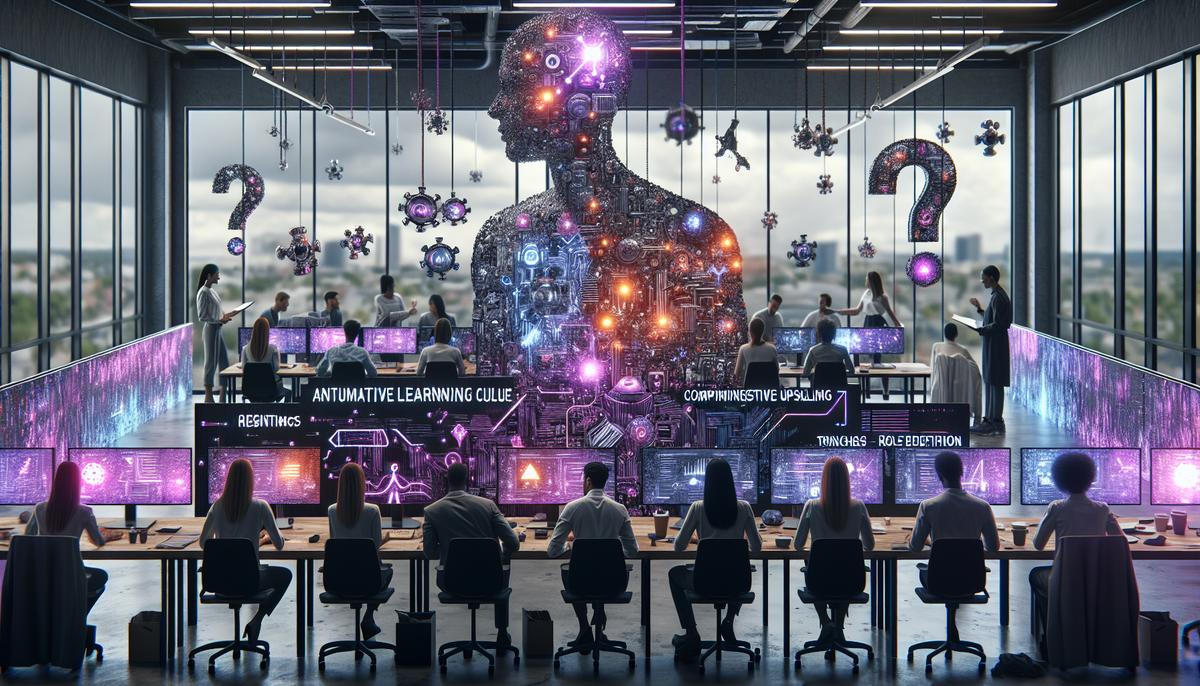
As AI technology accelerates in 2026, organizations must evolve to stay competitive. Leadership roles like Chief AI Officers (CAIOs) are now pivotal in shaping an AI-ready culture and workforce. The future of business depends on strategic upskilling and transformation.
Successful AI leadership means more than deploying technology; it involves nurturing a culture that embraces learning and adaptation. For instance, companies investing in ongoing AI skill development empower employees to innovate and collaborate with AI systems effectively. Workforce transformation strategies now prioritize reskilling programs aligned with AI’s growing role across departments, ensuring talent remains relevant and engaged.
• CAIOs drive integration of AI strategies with organizational goals, fostering alignment. • Emphasizing culture change helps reduce resistance and promotes agile adoption. • Comprehensive upskilling programs build hybrid skills combining human creativity and AI capabilities. • Workforce transformation includes redefining roles, processes, and continuous learning frameworks.
The shift toward AI-ready organizations underscores leadership’s role in balancing technology and human capital. Professionals who master AI leadership skills create value by bridging technical expertise with strategic vision. Companies that build inclusive cultures rooted in experimentation gain a competitive advantage. Trends in 2026 also highlight the rise of interdisciplinary teams driving AI adoption and innovation.
How is your organization evolving to meet AI leadership challenges? Share your experiences with upskilling and culture change or connect to exchange insights on driving AI-ready transformations. Together, we can shape the future of work with leadership that empowers and inspires.
#AILeadership #CAIO #WorkforceTransformation #Upskilling #AICulture