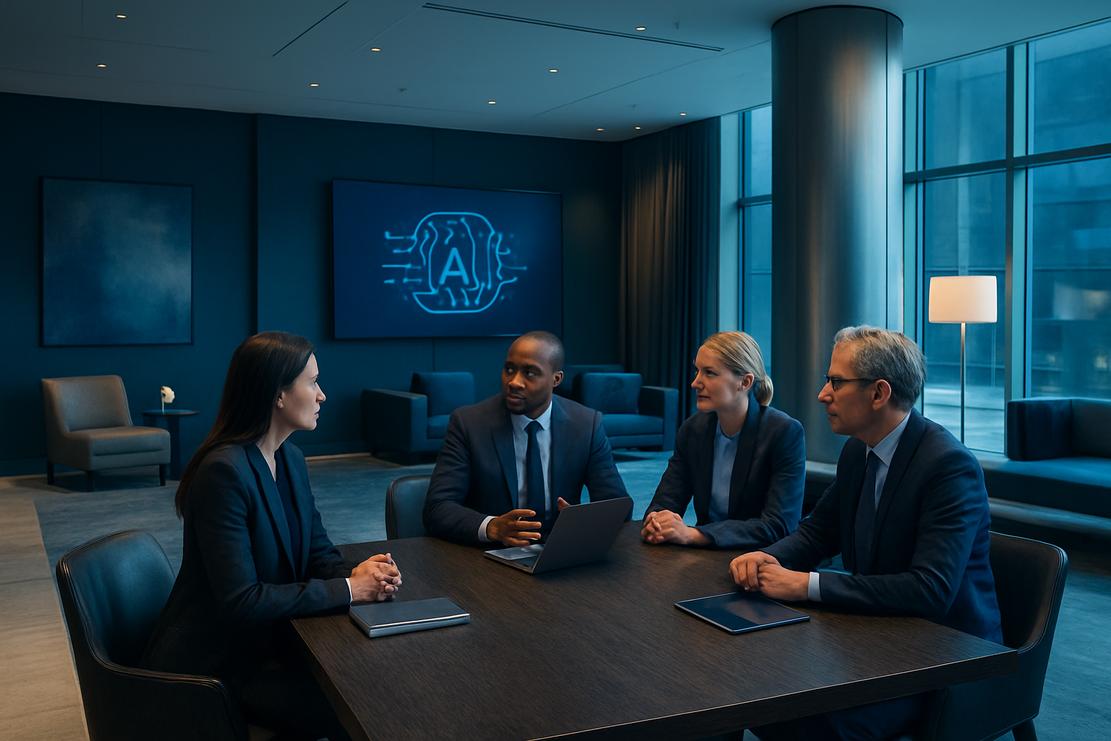
As AI transforms industries in 2026, leadership must evolve to build AI-ready organisations. Chief AI Officers and executives face a critical task: fostering skills, culture, and workforce strategies that harness AI’s full potential.
Successful AI leadership goes beyond technology adoption — it requires cultivating an organisational culture that embraces innovation and continuous learning. For example, companies investing in upskilling programs enable employees to work effectively alongside AI, boosting productivity and engagement. Leaders must also implement clear governance frameworks and encourage cross-functional collaboration to ensure AI initiatives align with business goals and ethical standards.
• Upskilling empowers employees to adapt to AI-driven roles and responsibilities. • Strong leadership fosters a culture of trust and experimentation around AI adoption. • Workforce transformation strategies help manage shifts in job roles due to AI automation. • Embedding AI governance mitigates risks and ensures responsible AI use. • Cross-team collaboration accelerates AI integration and innovation.
In 2026, organisations that prioritise AI leadership and workforce transformation are more resilient and competitive. The shift toward AI-ready cultures signals a demand for hybrid skills combining technical knowledge with emotional intelligence. Companies investing early in these strategies can avoid talent gaps and ethical pitfalls while maximising AI’s strategic value. This realignment is key for sustaining innovation and human-centred growth.
How is your organisation preparing for AI leadership challenges and workforce changes? Share your experiences or connect to discuss effective upskilling and cultural transformation strategies that enable AI readiness.
#AILeadership #WorkforceTransformation #Upskilling #AICulture #FutureOfWork